
Market Trends · · 11 min read
What Pending Home Sales Tell Us About the Market
 Tarek El Moussa · Host of HGTV's Flip or Flop · 20+ Years in Real Estate
What Pending Home Sales Tell Us About the Market
I still remember sitting in my car in 2008, staring at a stack of foreclosure notices and wondering if the real estate world was ending. Back then, I didn't have the data tools I have today; I was just a guy trying to survive a crash. Fast forward through over 1,000 flips and a decade of Flip or Flop, and I've learned that the secret to winning in real estate isn't having a crystal ball—it's knowing how to read the "leading indicators" before the rest of the world catches on.

The Pulse of the Market: Why Pending Sales Matter
When you watch the news, you usually hear about "Closed Sales." But here's the thing: closed sales are old news. By the time a sale closes, the contract was likely signed 30, 45, or even 60 days ago. If you're looking at closed sales to decide whether to sell your home, you're looking in the rearview mirror while driving 60 miles per hour.
Pending home sales are the real-time heartbeat of the market. A pending sale means a buyer has signed a contract, the seller has accepted, but the keys haven't changed hands yet. This is the "under contract" phase. When I'm looking at selling a house fast in Orange County or scouting a new flip, I look at the Pending Home Sales Index (PHSI) because it tells me what the market is doing right now, not what it did two months ago.
"In real estate, information is only power if it's current. Waiting for closed sale data is like trying to catch a train that already left the station." — Tarek El Moussa
1. The "Forward-Looking" Crystal Ball
Pending sales are the single best predictor of what the next two months of closed sales will look like. Typically, about 80% of pending sales lead to a closing. If we see pending sales dropping in a specific area, like if you're trying to sell your house fast in Santa Ana, it's a huge red flag that demand is cooling off.
On Flipping 101, I always tell my students: watch the "Days on Market" for pending listings. If houses are going "Pending" in 4 days, the market is on fire. If they're sitting for 45 days before hitting pending status, buyers are getting picky. This data allows me to pivot my strategy—maybe I'll price a house a little more aggressively or add an extra "wow" factor like a waterfall island to make sure we get that contract fast.
2. Understanding Buyer Sentiment and Interest Rates
Pending sales are incredibly sensitive to mortgage rates. I've seen it happen dozens of times: the Fed announces a rate hike on a Tuesday, and by Friday, the number of new pending contracts across the country takes a dip.
When rates go up, buyers lose purchasing power. A buyer who could afford a $600,000 home at a 3% rate might only qualify for $450,000 at 7%. When you see pending sales stalling, it often means buyers are hitting a "ceiling." They want to buy, but the math just doesn't work anymore. This is why I always keep a close eye on the national PHSI—it's the first place where the "sticker shock" of high interest rates actually shows up in the numbers.
3. The "Fall-Through" Factor
One thing the headlines don't always tell you is that "Pending" doesn't mean "Sold." In a volatile market, the gap between pending and closed sales gets wider.

Why do sales fall through?
- The Appraisal Gap: The bank says the house is worth $500k, but the contract is for $525k.
- Inspection Nightmares: The buyer finds mold, foundation issues, or a roof that's seen better days.
- Financing Issues: The buyer loses their job or takes out a car loan mid-escrow (don't do that, folks!).
If you're looking to sell your house fast in San Jose, you need to realize that a high number of "Back on Market" listings in your neighborhood is a sign that the market is shaky. Sellers are getting nervous, and buyers are getting cold feet.
Pro Tip: When I'm looking at a deal, I don't just look at how many houses are pending. I look at how many houses stay pending. A high cancellation rate is a sign that the local economy might be shifting.
4. Inventory vs. Demand
Pending sales tell us the "velocity" of the market. If there are 100 homes for sale and 80 of them are pending, you have an extremely low-inventory, high-demand environment. That's a "Seller's Market."
However, if you have 100 homes for sale and only 10 are pending, you're in a "Buyer's Market." In places like Irvine, where the market is usually very competitive, a sudden drop in the ratio of pending-to-active listings is a signal to sellers that they might need to adjust their expectations—and their price—before they get left behind.
5. Regional Trends: Not All Markets Move Together
The national news loves to talk about "The Housing Market" as if it's one single thing. It's not. Real estate is hyper-local.
For example, I might see pending sales surging in the Central Valley, making it a great time to sell your house fast in Fresno, while at the same time, the luxury market in coastal areas is starting to soften.
- Economic Drivers: Is a new tech campus opening?
- Migration Patterns: Are people moving out of the city and into the suburbs?
- Affordability: Are people fleeing high-tax areas for more affordable zip codes? Pending sale data catches these shifts long before the "Average Home Price" charts do.
6. Seasonality and the "Spring Rush"
Every year, like clockwork, we see pending sales spike in March and April. This is the "Spring Rush." Families want to move while the kids are out of school, and the weather is good for curb appeal.
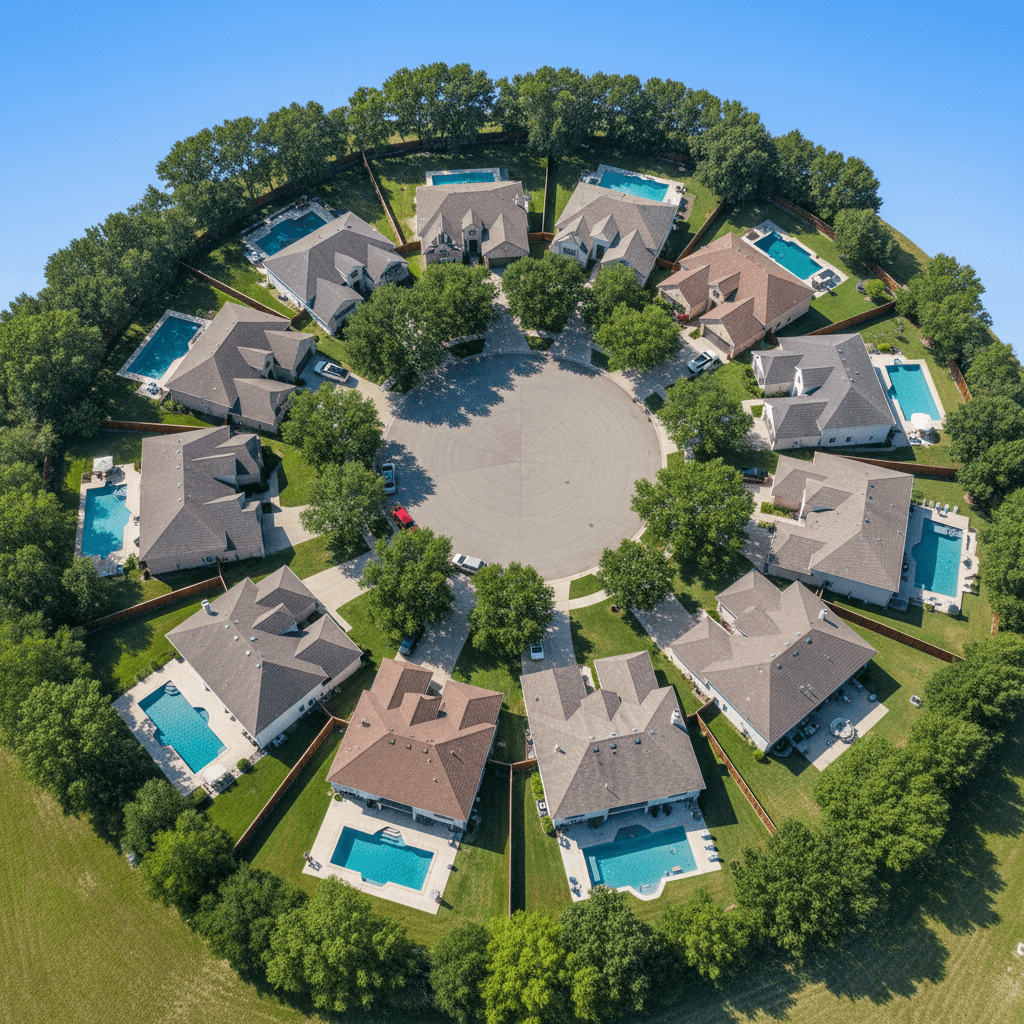
But here's the Tarek El Moussa secret: I actually love the "off-season." When pending sales naturally dip in November and December, the buyers who are still out there are serious. They aren't "window shopping." If you see pending sales holding steady during the winter months, it's a sign of an incredibly strong, resilient market that is likely to explode once spring hits.
Common Mistakes I See Sellers Make (And How to Avoid Them)
Over the years, I've seen homeowners make the same mistakes when they try to navigate these market shifts. Here's how to stay ahead:
- Pricing Based on "Sold" Data from Six Months Ago: This is the biggest mistake. If the market is shifting and pending sales are dropping, your neighbor's sale price from last summer doesn't matter. You have to price for the market that exists today.
- Ignoring the First Offer: In a cooling market (indicated by fewer pending sales), your first offer is often your best offer. I've seen sellers get greedy, hold out for $10k more, and end up sitting on the market for six months only to sell for $50k less.
- Neglecting "Small" Repairs: When pending sales are high, you can get away with a lot. When they're low, buyers are picky. A leaky faucet or a cracked tile can be the reason a buyer walks away from a pending deal.
- Waiting for the "Perfect" Time: People ask me, "Tarek, should I wait for rates to drop?" Look, if pending sales are moving, the market is moving. You can't time the bottom or the top perfectly. If you need to sell, sell.
The Bottom Line: Don't Get Stuck in a Shifting Market
Real estate is the greatest way to build wealth, but it can also be the fastest way to lose it if you aren't paying attention to the signs. Pending sales are the "smoke" that tells you where the fire is. Whether you're looking at selling your house fast in Irvine or just trying to figure out what your equity is worth, you have to look at the data through the right lens.
If you're looking at the market right now and feeling overwhelmed—maybe you've got a house that needs too much work, or you're facing a situation where you need to move quickly—don't wait for the market to make the decision for you.
I've been doing this for a long time, and I know that sometimes, the "traditional" way of selling just doesn't fit your life. You don't want to worry about "Pending" statuses, "Appraisal Gaps," or "Inspection Reports." You just want to move on to your next chapter.
I'm here to help. If you want a guaranteed, hassle-free way to sell your home without the stress of the traditional market, let's talk. I buy houses in any condition, and I can give you a fair cash offer.
Ready to see what your house is worth? Head over to tarekbuyshouses.com or give us a call at (866) 407-3411. Let's get you a win!
Stay focused, stay driven, and I'll see you at the closing table!
— Tarek
Frequently Asked Questions
## What is the difference between "Pending" and "Under Contract"?
In most real estate markets, these terms are used interchangeably, but there's a slight nuance. "Under Contract" usually means the buyer and seller have agreed on terms, but there are still contingencies to be met (like an inspection or an appraisal). "Pending" usually means those contingencies have been cleared, and the deal is just waiting on the final paperwork and funding to close. As a seller, you aren't "safe" until you hit that pending status—and even then, I've seen deals fall apart at the closing table. Always have a backup plan!
## How long does a house stay in "Pending" status?
On average, a home stays pending for 30 to 60 days. This timeline is dictated by the buyer's lender. If it's a cash deal (like the ones I do at Tarek Buys Houses), we can close in as little as 7 days because we skip the whole bank appraisal and loan approval process. If you see a house in your neighborhood that has been "Pending" for 90+ days, something is likely wrong. The buyer might be struggling to get their loan, or there might be a legal issue with the title that's holding things up.
## Can a seller accept another offer while a sale is pending?
Technically, you can accept what we call a "Backup Offer." You can't cancel the first contract just because a better one came along (that's a great way to get sued!), but you can have a second buyer waiting in the wings. This is a huge advantage if your first buyer's financing looks shaky. If the first deal falls through, you immediately move to the backup offer without having to put the "For Sale" sign back up and start from scratch. It keeps the momentum on your side.
## Why would pending home sales be falling if prices are still high?
This is a classic "divergence," and it usually happens at the top of a market cycle. Prices are a "lagging" indicator—they stay high because sellers are stubborn and don't want to lower their asking price. But pending sales are a "leading" indicator—they drop because buyers simply can't afford those high prices anymore. Eventually, the lack of sales forces sellers to drop their prices. If you see this happening in your area, it's a sign that a price correction is likely coming in the next 6 to 12 months.
## Does a "Pending" status mean I should stop showing the house?
Most agents will stop active showings once a house goes pending to avoid wasting everyone's time. However, I always tell people: keep the house clean and be ready! If that "Pending" status disappears and the house goes back on the market, you want to be able to get new buyers in there immediately. In a slowing market, every day your house sits vacant or "not for sale" is costing you money in taxes, insurance, and utilities.
## Why is the Pending Home Sales Index (PHSI) important for me?
The PHSI is a national or regional report released by the National Association of Realtors. It's like a weather report for the housing market. If the index is up, it means more people are signing contracts, which leads to a healthy economy. If it's down for several months in a row, it's a warning sign of a recession or a housing slump. I use it to decide which markets to invest. If I see the PHSI rising in a place like Fresno, I know there's a lot of "pent-up demand" that's about to turn into closed sales.