
Real Estate Tips · · 11 min read
What First-Time Home Sellers Wish They Knew
 Tarek El Moussa · Host of HGTV's Flip or Flop · 20+ Years in Real Estate
What First-Time Home Sellers Wish They Knew: The Ultimate Playbook
I remember my very first flip back in 2008. The world was falling apart, and I was just a young guy with a lot of ambition and a very thin wallet. I bought a house in Santa Ana, and let me tell you, I was terrified. I didn't know what I didn't know. Fast forward through over 1,000 houses, multiple seasons of Flip or Flop and Flipping 101, and a few gray hairs later, and I've seen it all. I've seen people make $100,000 in a weekend, and I've seen people lose their life savings because they missed one tiny detail in a contract.
Selling your first home isn't just a financial transaction; it's an emotional rollercoaster. You're saying goodbye to the place where you might have brought home your first kid or hosted your first Thanksgiving. But if you want to walk away with the most money possible—and your sanity intact—you have to treat this like a business. Most first-time sellers go into the process blind, and that's where the mistakes happen.
In this guide, I'm pulling back the curtain. I'm going to share the secrets I've learned from twenty years in the trenches so you don't have to learn the hard way. Whether you're looking to sell your house fast in Anaheim or you're navigating the market in Northern California, this is the advice I wish someone had given me when I was starting out.

1. The "Emotional Tax" is Real (and Expensive)
One of the biggest hurdles I see on Flipping 101 isn't the plumbing or the foundation—it's the owner's ego. You love your house. You remember painting that nursery "Soft Lavender" and the way the sun hits the breakfast nook. To you, those are priceless memories. To a buyer, that lavender paint is a $500 weekend project they have to fix.
When you sell your home, you have to disconnect. You aren't selling your "home" anymore; you're selling a "product." If you price your house based on what it's worth to you rather than what the market says, you're going to sit on the market for months. And trust me, the longer a house sits, the "staler" it gets. Buyers start wondering, "What's wrong with it?"
"The market doesn't care how much you love your house. The market only cares about what the house next door sold for last week."
2. You Can't Hide the "Ugly"
I've seen it a thousand times: a seller tries to cover up a water stain with a fresh coat of paint or puts a rug over a cracked tile. Listen to me—the inspector will find it.
In California, disclosure laws are incredibly strict. If you know about a problem and you don't disclose it, you aren't just being "shrewd," you're being liable. I've seen lawsuits tie up sellers for years because they didn't mention a leaky roof or a flickering electrical panel. If you're trying to sell your house fast in Riverside, the last thing you want is a buyer backing out three weeks into escrow because the inspection report looked like a horror novel.
My advice? Get a pre-inspection. Spend the $500 now to know exactly what's wrong. You can either fix the issues on your own terms or price the home accordingly. It takes the "gotcha" element out of the negotiation.
3. The "First Impression" Happens Online, Not at the Curb
Back when I started, people would drive by a house, see a "For Sale" sign, and call the number. Today? The "showing" happens on a smartphone while someone is laying in bed at 11:00 PM.
If your photos are dark, blurry, or show your laundry on the floor, you've already lost. You need professional photography. Period. I don't care if your cousin has the newest iPhone; hire a pro who understands lighting and wide-angle lenses.
When we film Flip or Flop, we spend thousands on staging because we know that people buy based on how a space makes them feel. If you're looking to sell your house fast in Sacramento, you need to make sure your online listing stands out against the hundreds of others. Empty houses look small. Messy houses look small. Professionally staged houses look like a dream.
4. Closing Costs Aren't Just for Buyers
This is the one that catches almost every first-time seller off guard. If you sell your house for $500,000, you aren't getting a check for $500,000.
You have to account for:
- Agent Commissions: Usually 5-6% of the sale price.
- Title Insurance & Escrow Fees: These vary by county.
- Transfer Taxes: Usually a few dollars per thousand of the sale price.
- Natural Hazard Disclosures: A requirement in California.
- Home Warranty for the Buyer: Often expected as a gesture of good faith.
By the time you're done, you might be looking at 7-10% of the sale price disappearing. If you're trying to sell your house fast in Bakersfield to buy your next place, make sure you've done the math on your "net proceeds" before you commit to that next down payment.
5. Pricing High to "Leave Room for Negotiation" is a Trap
This is the most common mistake I see. Sellers think, "I want $600k, so I'll list at $650k and let them talk me down."
Here's the problem: Buyers filter their searches by price. If a buyer's max is $610k, they won't even see your house. Even worse, the "smart" buyers and their agents know exactly what the house is worth. When they see an overpriced listing, they don't offer less—they just wait. They wait for you to get desperate and drop the price.
I always tell my students: Price it right from day one. In a hot market, a correctly priced home will often trigger a bidding war, which drives the price above what you originally wanted.
6. The "Hidden" Cost of Timing
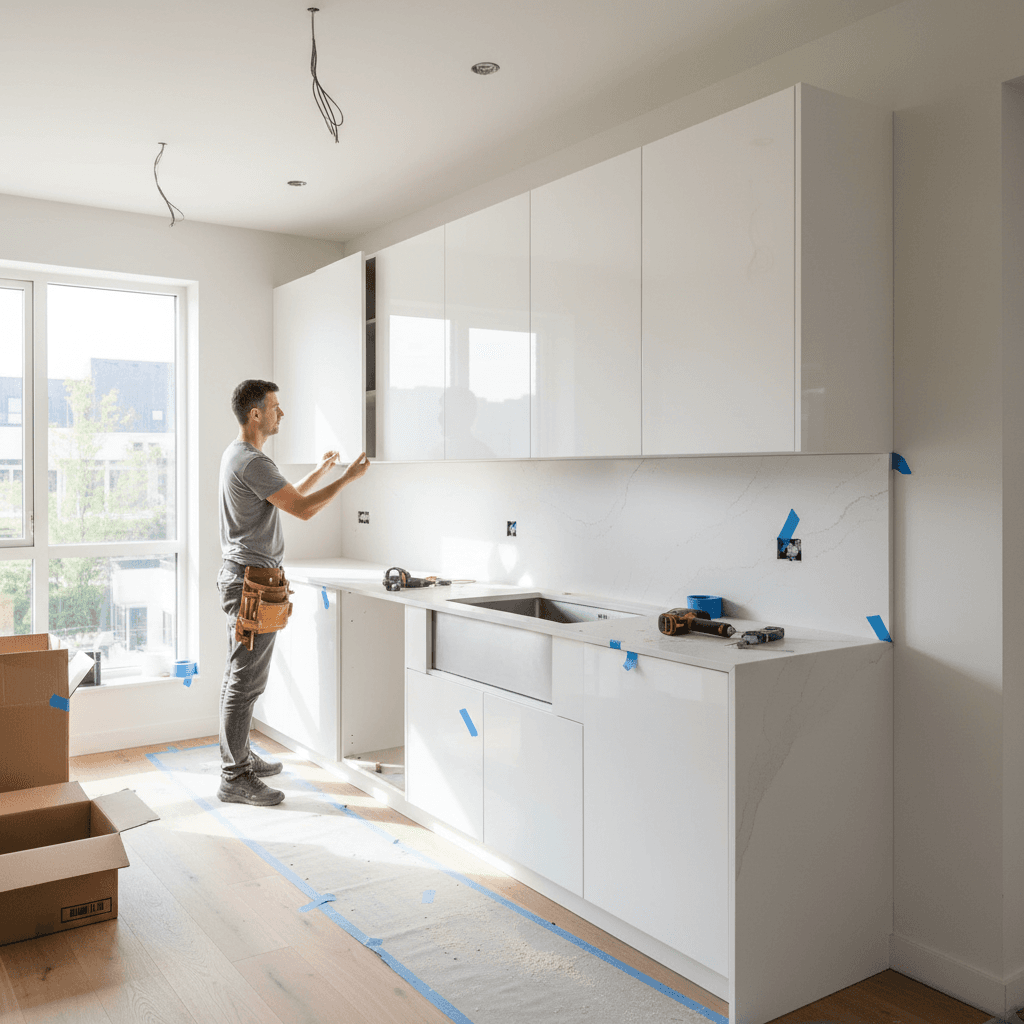
Timing the market is a fool's errand, but understanding the speed of your market is vital. If you're in a hurry—maybe you've got a job relocation or you're facing a financial crunch—the traditional listing process can be a nightmare.
Between deep cleaning, staging, repairs, open houses, and the 30-45 day escrow period, you could be looking at 3-4 months before you see a dime. For some people, that's fine. For others, it's a disaster. If you need to sell your house fast in Long Beach, you have to weigh the "convenience factor" against the traditional market route.
Pro Tip: If you can't afford to have your house sit on the market for 60 days while you pay the mortgage, insurance, and taxes, you need to look at an off-market cash offer. It eliminates the "holding costs" that eat away at your profit every single day.
7. Common Mistakes to Avoid
- Over-improving for the Neighborhood: Don't put $50,000 into a kitchen if the highest-priced home in your neighborhood only sold for $20,000 more than yours is worth now. You won't get that money back.
- Being Present for Showings: Never, ever be home when a buyer walks through. It makes them feel like intruders. They won't be honest about the house, and they won't stay long.
- Ignoring the "Smell" Test: You might love your three dogs, but a buyer shouldn't know they live there the second they walk through the door. Deep clean the carpets and neutralize odors.
- Getting Defensive During Negotiations: If a buyer asks for a $5,000 credit for a repair, don't take it personally. It's a business negotiation. Keep your eyes on the goal: closing the deal.
The Bottom Line
Selling your first home is a huge milestone. It's the end of one chapter and the start of another. I've seen people use the profits from their first home to start businesses, travel the world, or upgrade to their "forever" home. But you have to be smart. Don't let emotions drive the bus, and don't be afraid to ask for help.
If you're feeling overwhelmed, or if the thought of cleaning, repairing, and showing your house makes you want to pull your hair out, I'm here to help. My team and I specialize in making the process simple.
I buy houses all over California, in any condition. You don't need to pick up a paintbrush or hire a cleaning crew. I'll give you a fair, honest cash offer so you can move on to your next adventure without the stress.
Ready to see what your house is worth? Get your fair cash offer at TarekBuysHouses.com or give us a call at (866) 407-3411. Let's get you moving!
Stay focused, stay positive, and let's get that house sold!
— Tarek El Moussa
Frequently Asked Questions
How do I know if I should fix up my house or sell it "as-is"?
This is the million-dollar question. It comes down to "Return on Investment" (ROI). If spending $10,000 on new flooring and paint is going to increase your sale price by $30,000, you should do it. However, if your house needs major structural work—like a new roof, foundation repair, or a complete HVAC overhaul—you might not get a 1-to-1 return on that money. In many cases, especially if you're short on cash or time, selling "as-is" to a professional buyer is smarter. It saves you the headache of managing contractors and the risk of the project going over budget, which happens more often than you'd think!
What is the most important room to renovate before selling?
Hands down, it's the kitchen and the primary bathroom. These are the rooms that "sell" the house. People can imagine themselves living in a bedroom with old carpet, but they can't handle a greasy, outdated kitchen. If you have a limited budget, don't do a full gut job. Look at "high-impact" refreshes: paint the cabinets, replace the hardware (knobs and pulls), and put in a modern faucet. These small changes can make a kitchen look ten years younger for a fraction of the cost of a full remodel.
How long does the selling process actually take?
If you go the traditional route with a Realtor, you should plan for at least 60 to 90 days. It usually takes 2 weeks to get the house ready and photographed, 2-4 weeks on the market to get an offer you like, and then 30-45 days for the buyer's bank to process their loan (the escrow period). If the buyer's financing falls through—which happens in about 15% of transactions—you have to start all over again. If you need to move faster, a cash offer can usually close in as little as 7 days because there are no bank appraisals or loan approvals required.
Do I really need to stage my home?
You don't have to, but you're leaving money on the table if you don't. Staging isn't just about furniture; it's about showing a lifestyle. It helps buyers visualize how they would use the space. An empty room often looks smaller than a furnished one because there's no sense of scale. If you don't want to hire a professional stager, at the very least, "de-clutter" and "de-personalize." Take down the family photos and clear off the kitchen counters. You want the buyer to see their life in the house, not yours.
What should I do if my house isn't getting any offers?
If you've been on the market for more than three weeks with no bites, the market is telling you something. Usually, it's one of two things: price or condition. If your neighbors are selling and you aren't, your price is likely too high for the current condition of your home. Don't wait three months to make a change. A small price "repositioning" early on is much more effective than a massive "desperation" cut later. Take a cold, hard look at your competition and be honest with yourself about how your home stacks up.
Why should I consider a cash offer instead of listing with an agent?
Listing with an agent is great if your house is in perfect shape and you have plenty of time. But for many people, the "traditional" way is too stressful. A cash offer means no open houses, no strangers walking through your bedroom, no repairs, and no commissions. You get certainty. You know exactly when you're moving and exactly how much you're getting. For people dealing with a divorce, an inherited property, or a job move, that peace of mind is often worth more than the extra few dollars they might get by listing on the open market.