
Real Estate Tips · · 11 min read
The Top 5 Reasons Homes Sit on the Market Too Long
 Tarek El Moussa · Host of HGTV's Flip or Flop · 20+ Years in Real Estate
The Top 5 Reasons Homes Sit on the Market Too Long
In 2008, when the market crashed, I was a young agent in Orange County watching houses sit for months with zero activity. I remember one specific property in Santa Ana—a beautiful craftsman—that sat for 210 days, and every time I drove past that "For Sale" sign, I felt the owner's stress like it was my own. Today, after flipping over 1,000 houses and filming hundreds of episodes of Flip or Flop and Flipping 101, I’ve realized that a house sitting on the market isn't just bad luck; it’s usually a specific, fixable breakdown in strategy.
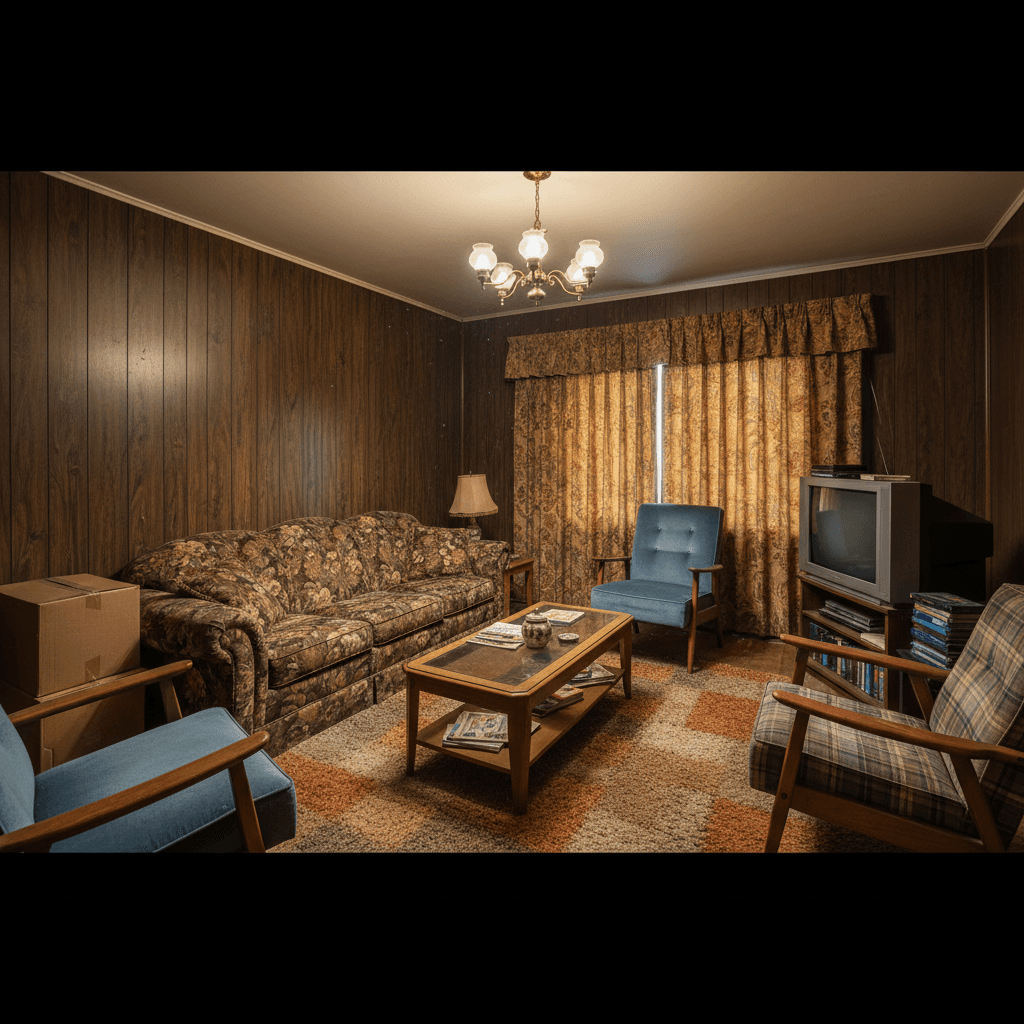
Why Time is Your Biggest Enemy in Real Estate
If you’ve ever watched me on HGTV, you know I’m obsessed with "Days on Market" (DOM). Why? Because in real estate, time is money—literally. When your home sits, it develops a "stigma." Buyers start wondering, “What’s wrong with it? Why hasn't anyone else bought it?”
I’ve seen it happen in every market, from people trying to sell your house fast in Long Beach to those struggling in the suburbs. The longer it sits, the lower the eventual sale price. In fact, properties that sell within the first two weeks typically fetch 3-5% more than those that linger past day 30.
I’m writing this because I want to pull back the curtain. I’ve been in the trenches for 20 years. I’ve made the mistakes, I’ve fixed the mistakes, and I want to make sure you don't lose your equity because of a preventable error.
1. The "Price is Right" Trap: Overpricing from Day One
This is the number one mistake I see, and it’s the hardest conversation I have with homeowners. Everyone thinks their home is the best on the block. You’ve got memories there, you’ve done the work, and you want that premium. But the market doesn't care about your feelings; it cares about the data.
When we were filming the early seasons of Flip or Flop, I learned the hard way that "testing the market" with a high price is a death sentence. If you price your home 10% above market value, you’re missing out on 75% of the potential buyer pool.
"Pricing your home isn't about what you need to get out of it; it's about what the market is willing to pay. If you miss the mark, you're just marketing your neighbor's house for them." — Tarek El Moussa
If you're trying to sell your house fast in Riverside, you have to look at the "comps" (comparable sales) from the last 90 days. If the house down the street sold for $500,000 and has a brand-new roof, and yours needs work, you cannot list at $525,000.
Pro Tip: If you haven’t had a showing in 10 days or an offer in 21 days, your price is the problem. Period.
2. "The First Showing" Happens Online (And You're Failing It)
Back when I started in the early 2000s, people found houses in the newspaper or by driving around. Today, 97% of buyers start their search on their phones. If your photos are dark, blurry, or—heaven forbid—feature your dog in the background, buyers are swiping left before they even see your square footage.
I’ve walked into houses in Northern California where people are trying to sell your house fast in Sacramento, and the listing photos look like they were taken with a flip phone from 2005.
To get top dollar, you need:
- Professional Photography: High-dynamic-range (HDR) images that make the space look bright.
- Decluttering: I tell my students on Flipping 101 to "depersonalize." Remove the family photos, the excessive kids' toys, and the bulky furniture. You want the buyer to imagine their life there, not see yours.
- Virtual Tours: In today's world, a 3D walkthrough is no longer a luxury; it’s an expectation.
3. The "Lived-In" Smell and Look
I’ve walked into over 5,000 houses in my career. I can tell you within five seconds if a house is going to sell. It’s the "sensory experience."
If I’m helping someone sell your house fast in San Jose, and I walk in to find pet odors, stained carpets, or "creative" paint colors (like that bright purple bedroom you loved), I know we’re in trouble.
Buyers "buy" with their eyes and noses. If a house feels like work, they’ll pass. Most buyers today want "turn-key." They don't want to spend their weekends painting or ripping out old carpet. Small investments—a fresh coat of "Agreeable Gray" paint, professional carpet cleaning, and some high-wattage light bulbs—can return 5x their cost in the final sale price.
Pro Tip: If you have pets, you might be "nose-blind." Ask a brutally honest friend to come over and tell you if they smell anything. If they do, it’s time for a deep clean or new flooring.
4. Poor Accessibility and "Showing Friction"
You wouldn't believe how many people want to sell their house but make it impossible to see. If you require notice, "no showings after 5 PM," and "no weekends," your house will sit.
When I’m flipping a house, that lockbox is ready 24/7. Buyers are busy. They are often touring 5-10 homes in a single afternoon. If your house is the one they can't get into, they’ll just move on to the next one on the list.
This is especially true for high-demand areas like when you're trying to sell your house fast in Oakland. The market moves fast. If a buyer is in the neighborhood and wants to see your place now, you need to be ready.
The Golden Rule of Showings: Make your house a "show home" every single morning before you leave for work. It’s a pain, I know, but it’s the difference between a 10-day sale and a 100-day headache.
5. Deferred Maintenance That Scares Off Inspections
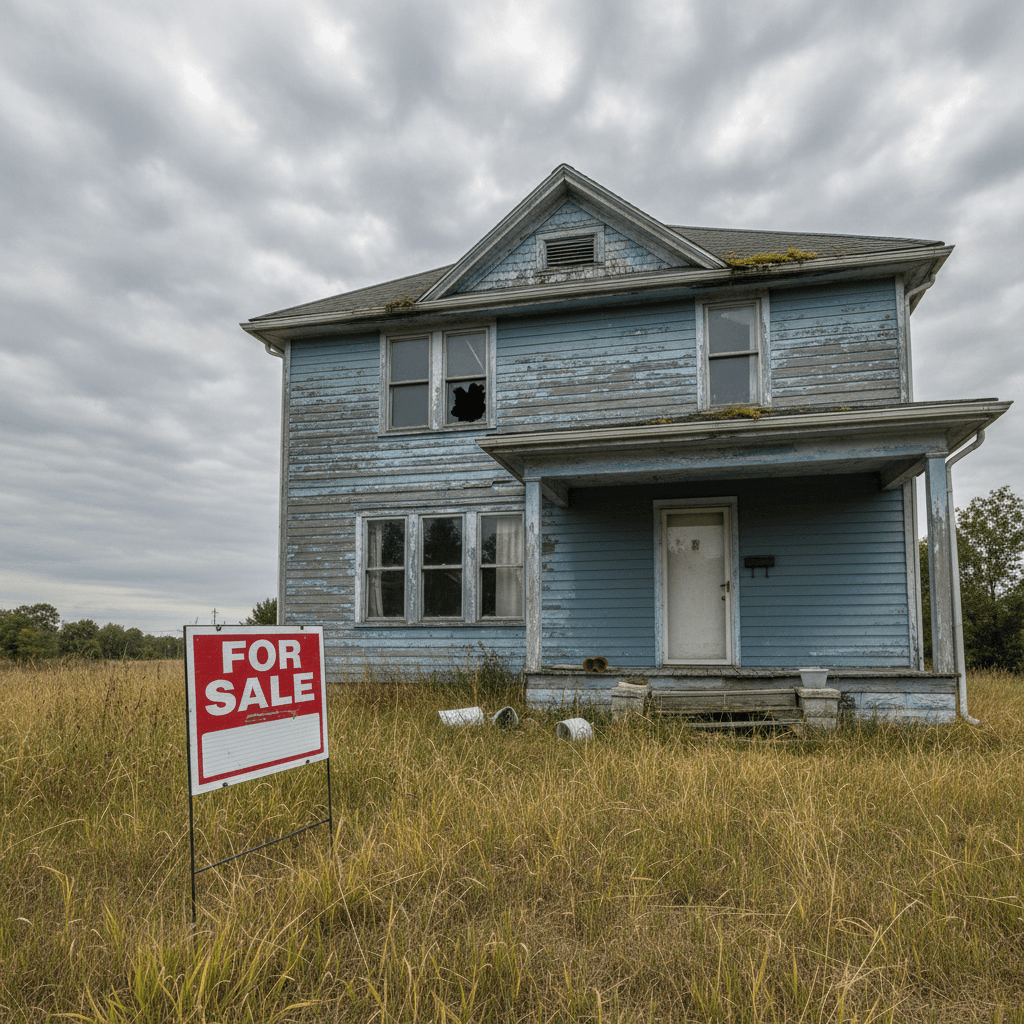
Nothing kills a deal faster than a "scary" inspection report. I’ve had deals fall apart over a $500 electrical issue because the buyer got spooked and thought the whole house was falling down.
If you know your roof is leaking, your HVAC is 25 years old, or you have a cracked foundation, hiding it won't help. It will come out during the inspection, and the buyer will either back out or ask for a massive credit.
When I buy houses at Tarek Buys Houses, I take on all those risks. But if you're selling on the traditional market, you need to handle the "big ticket" items or price the home accordingly.
Common "Deal Killer" Maintenance Issues:
- Water Damage: Any sign of mold or old leaks.
- Electrical: Outdated panels or "DIY" wiring.
- Foundation: Large cracks or uneven floors.
- Pest Issues: Termite damage or active infestations.
5 Mistakes I’ve Seen Sellers Make Repeatedly
- Ignoring the Curb Appeal: If the lawn is dead and the front door is peeling, buyers won't even get out of the car. The "money shot" starts at the curb.
- Getting Emotional During Negotiations: I’ve seen sellers lose a great offer over a $500 chandelier they wanted to keep. Don't lose the forest for the trees.
- Hiring the Wrong Agent: Don't just hire your cousin because they have a license. Hire the person who knows your specific neighborhood inside and out.
- Leaving the Lights Off: A dark house feels small and sad. When you have a showing, every single light should be on, and every blind should be open.
- Refusing to Take the First Offer: Often, your first offer is your best offer because it comes from the most motivated buyer who has been waiting for a house like yours.
Should I renovate my kitchen before selling?
This is a classic Flipping 101 question! The answer is: it depends. If your kitchen is from 1970 and falling apart, a minor "refresh" (painting cabinets, new hardware, and quartz countertops) can provide a massive ROI. However, I rarely suggest a full, custom "gut" remodel right before selling. You might spend $50,000 and only add $40,000 in value. Focus on "cosmetic" wins—paint, lighting, and appliances—rather than structural changes.
What if I can't afford to make repairs?
This is a reality for many homeowners I talk to. If your house needs $30,000 in work and you don't have it, don't try to hide the problems. You have two real options: price it as a "fixer-upper" to attract investors, or sell it to a professional buyer like me. We buy houses "as-is," meaning you don't have to pick up a paintbrush or fix a single leak. It takes the stress out of the equation.
Does "staging" really make a difference?
Absolutely! Staging isn't just about furniture; it's about scale and "vibe." Empty rooms actually look smaller than staged rooms because buyers have no sense of perspective. Staging highlights the functionality of a space. On Flip or Flop, we staged every single house because the data shows staged homes sell 20% faster and for more money. If you can't afford a pro stager, at least use your own furniture to create "vignettes" that suggest a lifestyle.
Why did my neighbor’s house sell in 3 days while mine is still sitting?
This usually comes down to "The Three P’s": Price, Presentation, or Professionalism. Did they price it slightly below market to drive a bidding war? Was their house staged better? Or did they have an agent who marketed it more aggressively? It could also be "micro-location"—if they are mid-block and you are on a corner with more traffic, that impacts value. You have to be objective and look at your house through a stranger's eyes.
Is the "Zestimate" accurate for my home's value?
I get asked this all the time! Algorithms are great, but they don't walk through your front door. A Zestimate doesn't know you just spent $20,000 on a new HVAC system, and it doesn't know your neighbor has a hoard of old cars in their backyard. Use online estimates as a starting point, but trust a local expert or a professional appraisal for the real number.
Let’s Get Your House Sold
Selling a home is one of the most stressful things you’ll ever do. I know because I’ve done it over a thousand times. If your house is sitting on the market and you’re tired of the showings, the cleaning, and the uncertainty, there is another way.
You don't have to deal with the 5 reasons I listed above. You don't have to paint, you don't have to stage, and you definitely don't have to lower your price every two weeks while your mortgage keeps ticking away.
At Tarek Buys Houses, we provide a fair, fast cash offer. No commissions, no repairs, no hassles. Whether you're in Oakland, Riverside, or anywhere in between, my team and I are ready to help you move on to your next chapter.
Ready to see what your house is worth?
Give us a call at (866) 407-3411 or visit tarekbuyshouses.com to get your no-obligation cash offer. Let’s get you moving!
Be smart, stay focused, and let's get that house sold!
— Tarek
Frequently Asked Questions
How long should it take to sell my house in a "normal" market?
In a balanced market, you should expect to see serious interest within the first 7 to 14 days. If you go 21 days without an offer, it’s time to re-evaluate your price or your presentation. Remember, the "newness" of a listing wears off quickly. By day 30, you're "old news," and buyers will start looking for a discount. In hot markets like Southern California, if you aren't seeing multiple offers in the first weekend, you've likely overpriced by at least 5%.