
Real Estate Tips · · 8 min read
Selling a Tampa House That Needs Major Repairs
 Tarek El Moussa · Host of HGTV's Flip or Flop · 20+ Years in Real Estate
The Worst Roof I Ever Saw
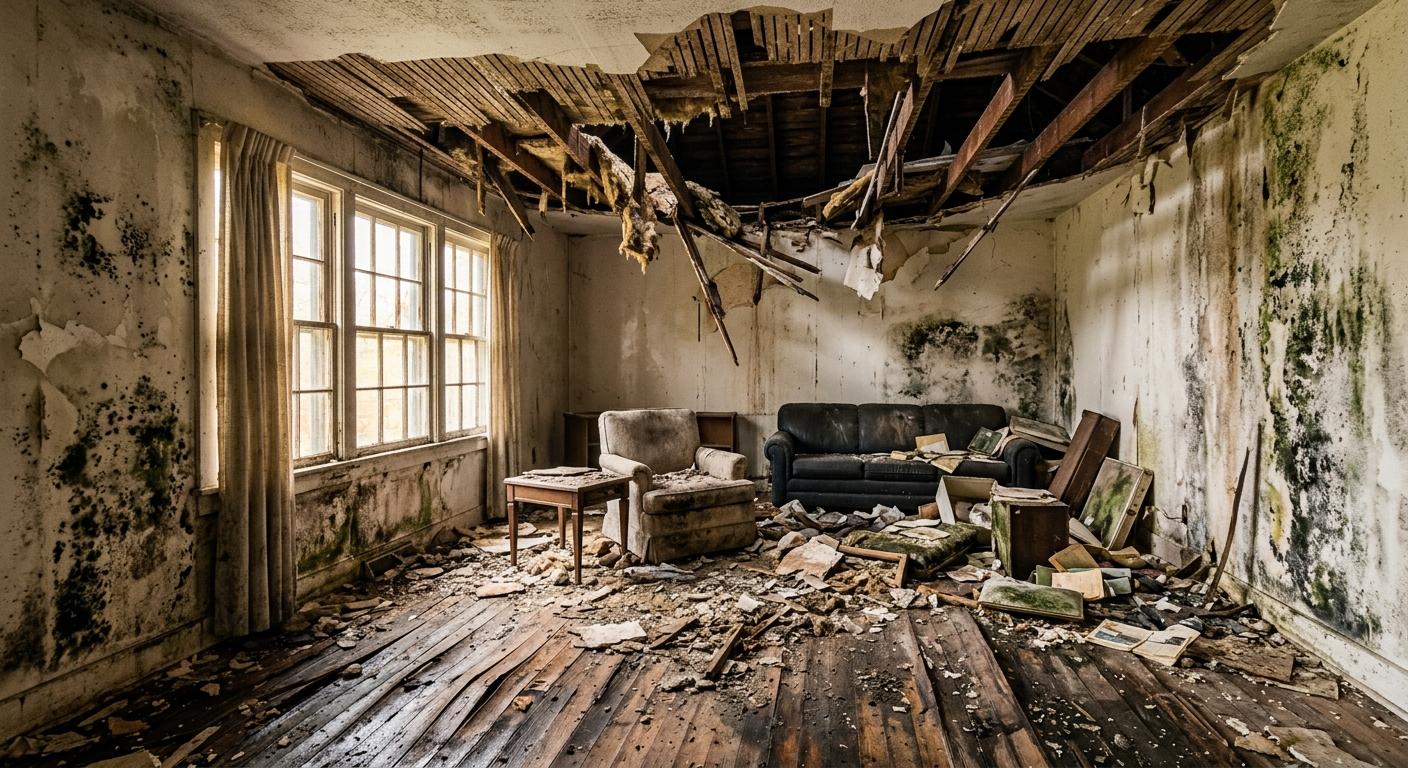
I'll never forget walking into a house in Orange County where the roof had been leaking for three years. The ceilings were caved in, the floorboards were warped, and there was actual mold growing on the walls. Most people would have walked right back out. But I saw something else — I saw a homeowner who was trapped, unable to afford the repairs, too embarrassed to sell, and convinced they had no way out.
I bought that house as-is. We didn't ask them to fix a thing.
Hey, I'm Tarek El Moussa. You might know me from HGTV's "Flip or Flop" and "Flipping 101" — I've spent over 20 years buying and selling houses in every condition you can imagine. Roof issues, foundation cracks, electrical nightmares, you name it. I've seen it all. And here's what I want you to know: a house that needs major repairs is not a house that can't be sold.
If you own a Tampa house with repairs you can't or don't want to make, this guide is for you.
Understanding What Scares Traditional Buyers
In my experience, certain repairs create major problems in a traditional sale because lenders flag them, appraisers note them, and financed buyers may be unable to close without them being completed:
- Roof damage or age
- Electrical system issues
- Plumbing problems
- HVAC failure
- Foundation issues
- Mold or water intrusion
- Storm damage (especially relevant in Florida)
These are the repairs that can kill a deal. Cosmetic issues — old paint, outdated fixtures, worn flooring — rarely prevent a sale on their own.
"After a thousand deals, I can tell you: the repairs that scare buyers most are the ones you can't see from the street. Roof, foundation, electrical — those are the deals that fall apart." — Tarek El Moussa
In Tampa, storm damage from hurricane season is a particularly common issue. A roof that held up for years can suddenly become a major problem after a bad storm. And with Florida's humidity, mold issues are something I see regularly.
Your Main Options: A Clear Decision Framework
| Path | Best When | Main Risk |
|---|---|---|
| Keep the property and repair over time | You can afford carrying costs and want to stay | Ongoing costs and living through construction |
| Repair and list | Repairs clearly increase value more than they cost | Contractor delays, budget overruns, inspection issues |
| Rent the property | You want ongoing income | Finding tenants for a property in rough condition is hard |
| Sell as-is | You want to walk away without spending a dime on repairs | Offer may be lower than a fully repaired value |
A good decision compares net proceeds, time, stress, repair exposure, and certainty of closing. The highest possible price doesn't always win when you factor in months of carrying costs, contractor delays, and the risk of deals falling through.
The Critical Question: Repair or Sell As-Is?
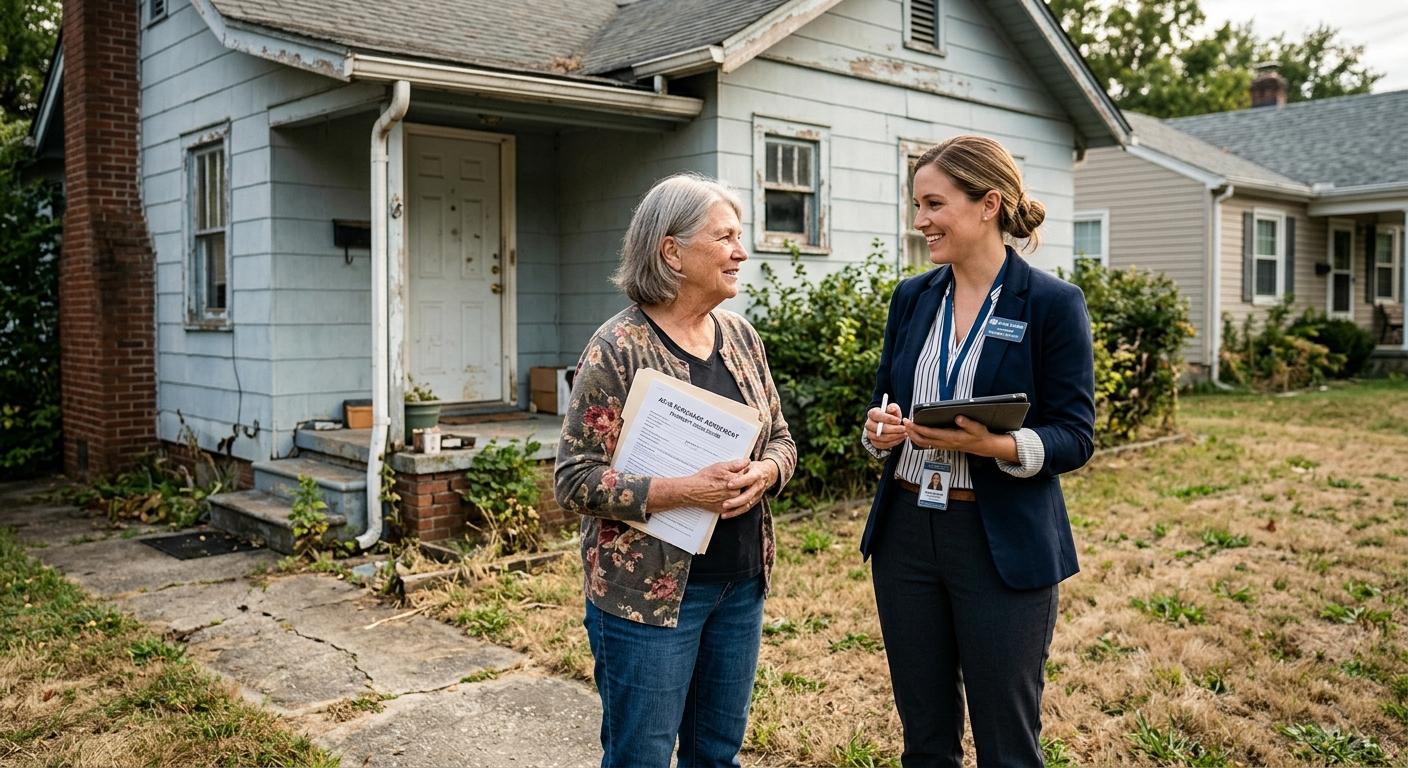
Here's how I tell homeowners to think about this:
-
Get a realistic repair estimate. Not a ballpark guess from a friend — actual contractor quotes for the work that needs to be done. In Tampa, make sure you're factoring in permit costs and potential delays.
-
Separate safety issues from cosmetic upgrades. A new roof might be necessary. Granite countertops are not. Focus on the repairs that would prevent a financed buyer from getting a loan.
-
Ask a local agent what repairs lenders typically require. In Hillsborough County, certain issues come up again and again — outdated electrical panels, HVAC systems past their lifespan, roofs with less than two years of life remaining.
-
Get an as-is cash offer before you spend any money. This is the step most homeowners skip, and it's the most important one. You might find that the as-is number is close enough to what you'd net after repairs and commissions — without the months of stress and uncertainty.
Pro Tip: Compare the as-is offer against your "repair and list" scenario by subtracting the repair costs, real estate commissions, holding costs (mortgage, taxes, insurance, utilities), and your time from the expected sale price. That's your real net — and it's often closer to the as-is number than people expect.
When an As-Is Sale Makes Sense in Tampa
As-is sales are particularly suited to Tampa for a few reasons. The area has a lot of older homes in neighborhoods like Ybor City, West Tampa, and Seminole Heights where deferred maintenance is common. Storm exposure from hurricane season means roof and water damage are frequent concerns. And with Florida's humid climate, mold and HVAC issues are almost inevitable in homes that have been sitting.
If your house has any of these issues, an as-is sale removes the burden of making it "market-ready" before you can move on with your life.
Common Mistakes I've Seen Homeowners Make
1. Spending thousands on repairs before knowing what the house is worth as-is. I've seen people put $30,000 into a house that only gained $15,000 in value. Get an as-is offer first, then decide if repairs make financial sense.
2. Assuming all repairs cost the same. Not all repairs are equal. A new roof might cost $10,000 but add $15,000 to your sale price. New paint might cost $5,000 but add nothing. Focus on the repairs with the best return.
3. Starting repairs without a clear budget or timeline. I've seen contractor delays turn a 60-day project into a six-month nightmare. If you're on a timeline, an as-is sale is often the safer bet.
4. Not disclosing known issues. Florida law requires sellers to disclose known defects. Hiding a leaky roof or foundation crack can come back to haunt you in a lawsuit. An as-is sale doesn't mean you can hide problems — it means the buyer accepts the property in its current condition after their own inspection.
5. Only looking at the offer price without comparing net proceeds. A "higher" offer that requires $40,000 in repairs, six months of carrying costs, and 6% in commissions is often worse than an as-is offer that closes in two weeks with zero fees.
Practical Checklist
- Get at least one realistic contractor quote for major repairs
- Separate safety/structural issues from cosmetic improvements
- Ask a local agent what repairs financed buyers typically require
- Get an as-is cash offer before spending any money
- Compare net proceeds from both paths
- Confirm whether title, liens, or code violations affect the sale
- Get all timeline, cost, and contingency promises in writing
Conclusion: You Don't Have to Fix It to Sell It
I've bought hundreds of houses in terrible condition. Cracked foundations, collapsed roofs, mold, fire damage — you name it. And every single time, the homeowner was relieved to find out they didn't have to fix a thing. That's what Tarek Buys Houses is all about. We buy houses in any condition, in any market, and we make the process simple and stress-free.
If you own a Tampa house that needs repairs you can't or don't want to make, I'd be honored to give you a straightforward, no-obligation cash offer. No pressure, no judgment — just a clear number so you can decide what's best for you.
Give us a call at (866) 407-3411 or visit tarekbuyshouses.com to get started.
Frequently Asked Questions
What repairs scare normal buyers the most?
Roof, electrical, plumbing, HVAC, foundation, mold, water intrusion, and storm damage. These are the issues that lenders flag and appraisers note — they can prevent a financed buyer from getting a loan to close.
Should I repair the house before selling?
Only if the repair creates a clear net gain after you subtract the cost of the work, the time it takes, the risk of contractor delays, and your holding expenses. Often, the math favors selling as-is.
Can I sell if permits were never closed on previous work?
Possibly, but open or missing permits should be disclosed and reviewed during the title and due diligence process. A reputable buyer will help you navigate this rather than using it as a negotiating tactic.
Will an as-is buyer still inspect the property?
Most serious buyers will inspect enough to understand the condition. The difference is that in an as-is sale, the seller is not agreeing to complete repairs before closing. The buyer makes their offer based on what they find.
How do I compare offers when one is as-is and one is traditional?
Look at net proceeds, timeline to closing, contingencies, repair obligations, closing costs, and certainty of funding. A traditional offer at a higher price might net you less after six months of holding costs and $30,000 in required repairs.
Can I sell a house with major foundation issues?
Yes. I've bought houses with foundation problems more times than I can count. An as-is cash buyer who understands the local market can evaluate the severity and give you a fair offer regardless of the condition.