
Cash Offers · · 10 min read
Tarek’s California ‘Equity Guard’: How to Sell Your Distressed Home Without Losing Your Progress to High Interest Rates
 Tarek El Moussa · Host of HGTV's Flip or Flop · 20+ Years in Real Estate
Tarek’s California ‘Equity Guard’: How to Sell Your Distressed Home Without Losing Your Progress to High Interest Rates
Back in 2008, I watched the world change overnight. I was a young agent in Orange County, and I remember sitting in my office, watching the market crumble while my phone stopped ringing. I lost everything—my cars, my savings, and eventually, I was living on $5 footlongs just to get by. That experience didn't just teach me how to flip houses; it taught me how to survive when the economy feels like it’s working against you.
Today, we aren't in 2008, but we are facing a new monster: the "Interest Rate Lock-in." If you’re sitting on a distressed property in California right now, you’re likely feeling squeezed between a house that needs expensive repairs and a mortgage market that makes moving feel impossible. You’ve worked hard to build equity, but the high cost of borrowing is threatening to swallow your progress. I call my strategy for navigating this the "Equity Guard," and I’m going to show you exactly how to protect what’s yours.
The Reality of the California Market Right Now
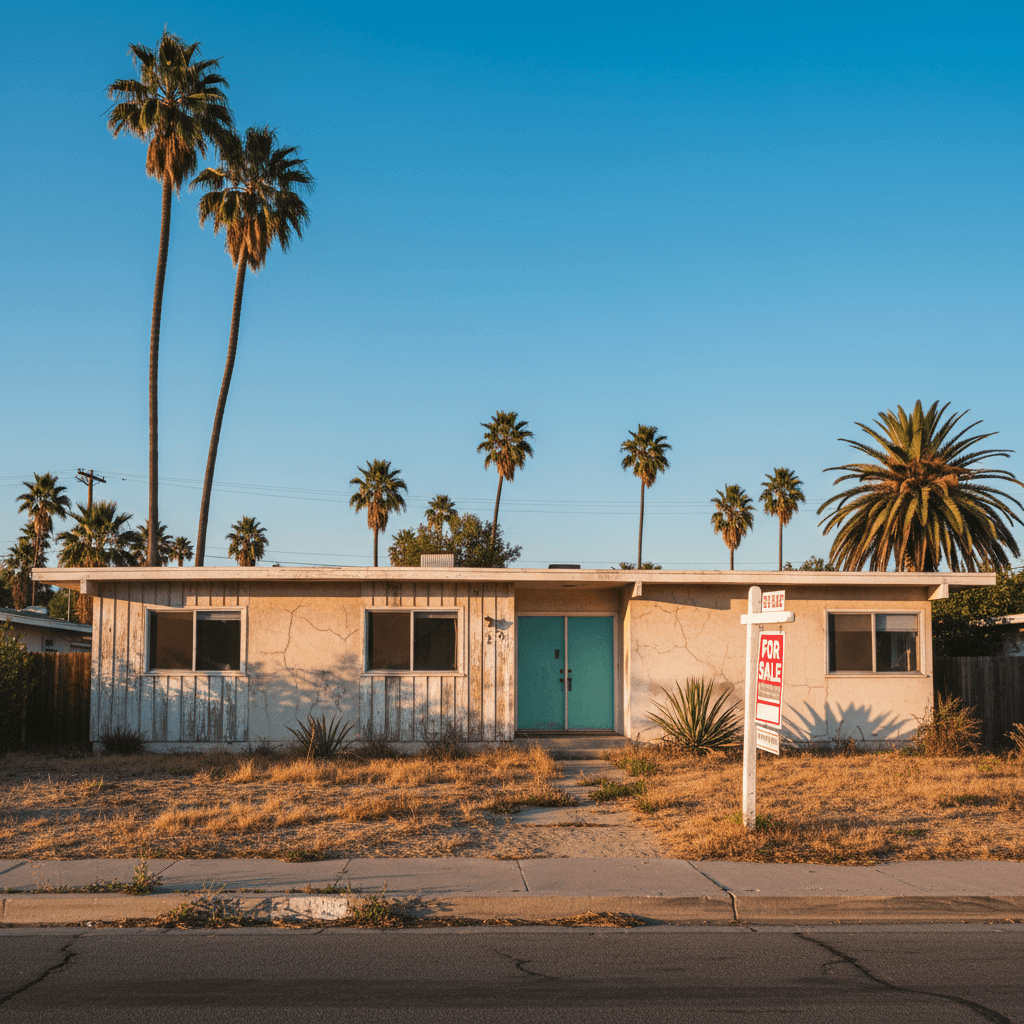
I’ve filmed over 10 seasons of Flip or Flop and hundreds of episodes of Flipping 101, and if there is one thing I’ve learned, it’s that California is its own beast. Whether you are trying to sell your house fast in Riverside or navigating the complexities of the Bay Area, the math has changed.
For years, homeowners relied on cheap debt to fix their problems. Need a new roof? Get a HELOC. Want to move? Buy a new place at 3% interest. But with rates hovering much higher than they were two years ago, that "cheap money" is gone. If your home is distressed—meaning it needs significant repairs, is facing foreclosure, or is just outdated—you are in a vulnerable position. Buyers using traditional financing are pickier than ever because their monthly payments are so high; they don't have the extra cash to renovate after they close.
This creates a "Value Gap." Your home is worth X, but the cost to get it to "market ready" is Y, and the time it takes to sell while paying high interest is Z. My goal is to help you minimize Y and Z so you keep more of X.
The 'Equity Guard' Strategy: Step-by-Step
Protecting your equity isn't about luck; it's about logic. When I look at a deal, I don't look at what the house could be; I look at what the math says it is today.
1. Stop the Bleed (The Holding Cost Calculation)
Every month you stay in a distressed home, you are losing money to taxes, insurance, and interest. If your mortgage is $3,000 a month and it takes you six months to renovate and sell, you’ve just spent $18,000 before you even paid a contractor.
"In real estate, time isn't just money—time is your equity's worst enemy. The longer you hold a problem, the smaller your profit becomes."
2. Radical Prioritization
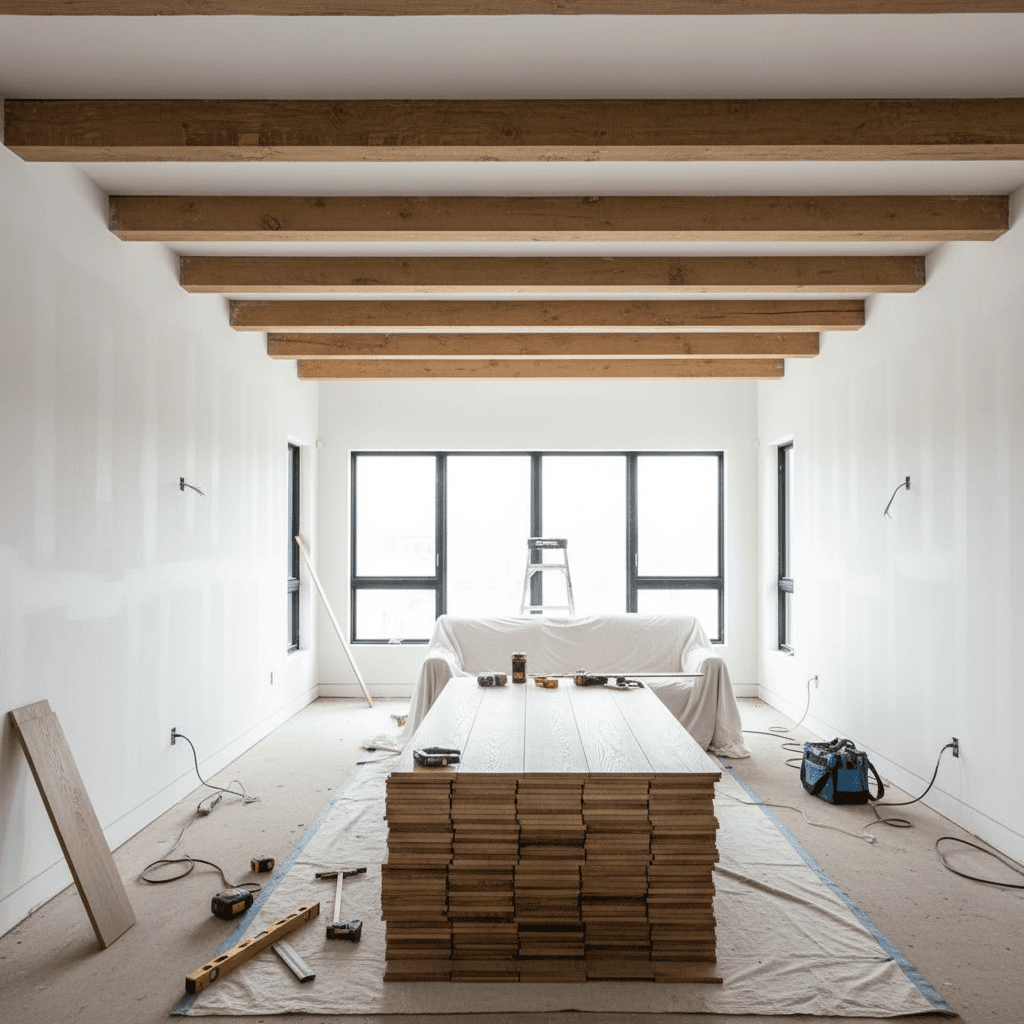
If you are determined to sell on the open market, you have to stop thinking like a homeowner and start thinking like a flipper. Don't spend $50,000 on a kitchen if the foundation is cracked. Buyers in places like Oakland are savvy; they will see right through a "lipstick on a pig" renovation. Focus only on the "Big Three": Roof, HVAC, and Plumbing. If you can't afford those, you shouldn't be spending a dime on paint.
3. Bypass the 'Interest Rate Trap'
Traditional buyers are scared of high rates. When you sell to a cash buyer like me, the interest rate doesn't matter to you. We aren't going to a bank to get a 30-year mortgage to buy your house. We use our own capital. This means we can close in days, not months, which effectively "guards" your equity from being eaten up by another six months of mortgage payments.
Why 'Fixing It Yourself' Might Be a Trap
I see this on Flipping 101 all the time. A homeowner thinks they can save $20,000 by doing the work themselves. Six months later, the project is half-finished, they’ve spent $30,000, and they are exhausted.
In California, labor and material costs have skyrocketed. A kitchen remodel that cost me $15,000 in 2015 now costs $35,000 or more. If you are trying to sell your house fast in Long Beach, you are competing with professional flippers who have wholesale accounts at hardware stores and dedicated crews. If you don't have those resources, you are paying retail prices for a wholesale result. That is the fastest way to lose your equity.
The Power of the As-Is Sale
A lot of people think "As-Is" means "Low Ball." That’s a myth. An As-Is sale is actually a strategic move to lock in your price. When we buy a house at Tarek Buys Houses, we take on the risk. If we open up a wall and find mold, that’s my problem, not yours.
If you try to sell a distressed home in Los Angeles via a traditional realtor, the buyer’s inspector is going to find every single flaw. Then, the buyer will ask for "credits." I’ve seen $50,000 price drops happen in the final hour of escrow because of a bad inspection. When you sell to us, the price we agree on is the price you get. No surprises.
Common Mistakes I See Homeowners Make
After 1,000+ deals, I’ve seen it all. Here are the four biggest mistakes that will kill your equity in today's market:
- Over-Improving for the Neighborhood: Don't put marble countertops in a neighborhood where everyone has laminate. You won't get that money back.
- Waiting for Rates to Drop: Many people are "waiting out" the market. Meanwhile, their distressed property continues to deteriorate. A leaky roof doesn't care about the Federal Reserve; it’s going to keep leaking and destroying your drywall.
- Hiring the Cheapest Contractor: In this business, you get what you pay for. A "cheap" contractor who disappears halfway through the job is the most expensive person you’ll ever meet.
- Ignoring the 'Days on Market' Factor: In cities like Stockton, if a house sits for more than 30 days, buyers start wondering what’s wrong with it. They will lowball you just because the listing is "stale."
Can I sell my house if I have no equity left?
Yes, but it’s trickier. This is often called a "short sale," where the bank agrees to accept less than what is owed. I’ve handled many of these over the years. If you are in this position, you need to act fast. The "Equity Guard" here is about protecting your credit score and avoiding the "Foreclosure" stamp on your record, which stays with you for seven years. We can often work with lenders to find a solution that gets you out from under the debt.

Is it better to sell now or wait until next year?
I get asked this every single day. Here is the truth: nobody has a crystal ball. But we do know the current math. We know what your taxes are, we know what the repairs cost today, and we know your current equity. Waiting is a gamble. If you wait and prices drop 5%, or a major system in the house fails (like the sewer line), you’ve lost the gamble. Selling now allows you to take your chips off the table and move on with your life.
How does the process work with Tarek Buys Houses?
It’s much simpler than the HGTV cameras make it look! You reach out to us, and we do a quick evaluation of the property. We don't need you to clean, paint, or even move the junk out. We make you a fair cash offer. If you accept, we handle all the paperwork and close on your timeline—whether that’s 7 days or 60 days. You walk away with cash and zero stress about repairs or interest rates.
What about the "hidden costs" of selling traditionally?
This is what most people forget. When you sell with an agent, you’re usually paying 5-6% in commissions. Then there are closing costs (1-3%), staging costs, and the "repair requests" I mentioned earlier. On a $600,000 home, you could easily lose $50,000 to $70,000 just in transaction costs. With a cash offer from us, those commissions disappear. What you see is much closer to what you actually get.
Protecting Your Future
I’ve been at the top, and I’ve been at the bottom. I know the stress of owning a property that feels like a weight around your neck. But I also know the feeling of relief when that weight is gone.
The "Equity Guard" isn't just a strategy; it’s a mindset. It’s about being proactive instead of reactive. It’s about recognizing that your home is an investment, and sometimes the best move for an investment is to liquidate and pivot, especially when interest rates are making everything else more expensive.
"Success in real estate isn't about buying at the bottom and selling at the top. It's about making the right move for your family at the right time for your life."
If you’re ready to see what your options are, I’m here to help. My team and I look at properties all over California every single day. We’ve seen the worst of the worst, and we’ve helped families in the toughest situations imaginable. You don't have to navigate this high-interest market alone.
Are you ready to protect your equity and move on to your next chapter?
Don't let another month of high interest and repair stress eat away at your hard-earned progress. Get a fair, no-obligation cash offer. Let’s get you flipping the script on your situation.
Get Your Cash Offer or call us directly at (866) 407-3411. Let's get to work!
Be ruthless with your math, but kind to yourself. You've got this.
— Tarek El Moussa
Frequently Asked Questions
How do high interest rates affect my home's value if I'm selling for cash?
This is a great question. While cash buyers don't use traditional mortgages, high interest rates still affect the overall market demand. When rates are high, there are fewer traditional buyers, which means more houses sit on the market. This increased inventory can drive prices down. However, the benefit of a cash offer is certainty. While the market fluctuates, a cash offer stays firm. You aren't at the mercy of a buyer's loan falling through at the last minute because the rates ticked up another quarter-point.
What qualifies as a "distressed" property in California?
"Distressed" isn't just about peeling paint. It can be a financial situation, like being behind on taxes or facing foreclosure. It can be a physical situation, like fire damage, hoarding, or structural issues. Or, it can be a legal situation, like a complicated probate or a divorce where the house needs to be liquidated quickly. In my experience, if the house needs more than $20,000 in work to be "competitive" with the house next door, it’s considered distressed in the eyes of a traditional bank.