
Cash Offers · · 11 min read
Tarek El Moussa’s California ‘Project Property’ Guide: How to Sell Your Distressed Home Without the HGTV Renovation Timeline
 Tarek El Moussa · Host of HGTV's Flip or Flop · 20+ Years in Real Estate
Tarek El Moussa’s California ‘Project Property’ Guide: How to Sell Your Distressed Home Without the HGTV Renovation Timeline
I’ll never forget a house I walked into back in 2011 in Santa Ana. It was one of my first big "flips" after the market crash. The smell hit me before I even crossed the threshold—a mix of damp drywall, thirty years of cigarette smoke, and a kitchen that looked like it hadn't been cleaned since the Reagan administration. I remember standing there with my hands on my hips, looking at a cracked foundation and a roof that was basically a suggestion, thinking, "How is a regular family supposed to sell a place like this?"
If you’re sitting in a house right now that feels more like a burden than a home, I want you to know something: I’ve been in your shoes, and I’ve seen thousands of houses in worse shape than yours. Whether you’re dealing with a "fixer-upper" that’s become a "money pit" or you’ve inherited a property that needs more work than you have time for, you don't need a TV crew and a six-month construction schedule to move on with your life.
In this guide, I’m going to show you exactly how to navigate the California real estate market when your house is a "project property"—without the stress, the dust, or the endless renovation timeline.
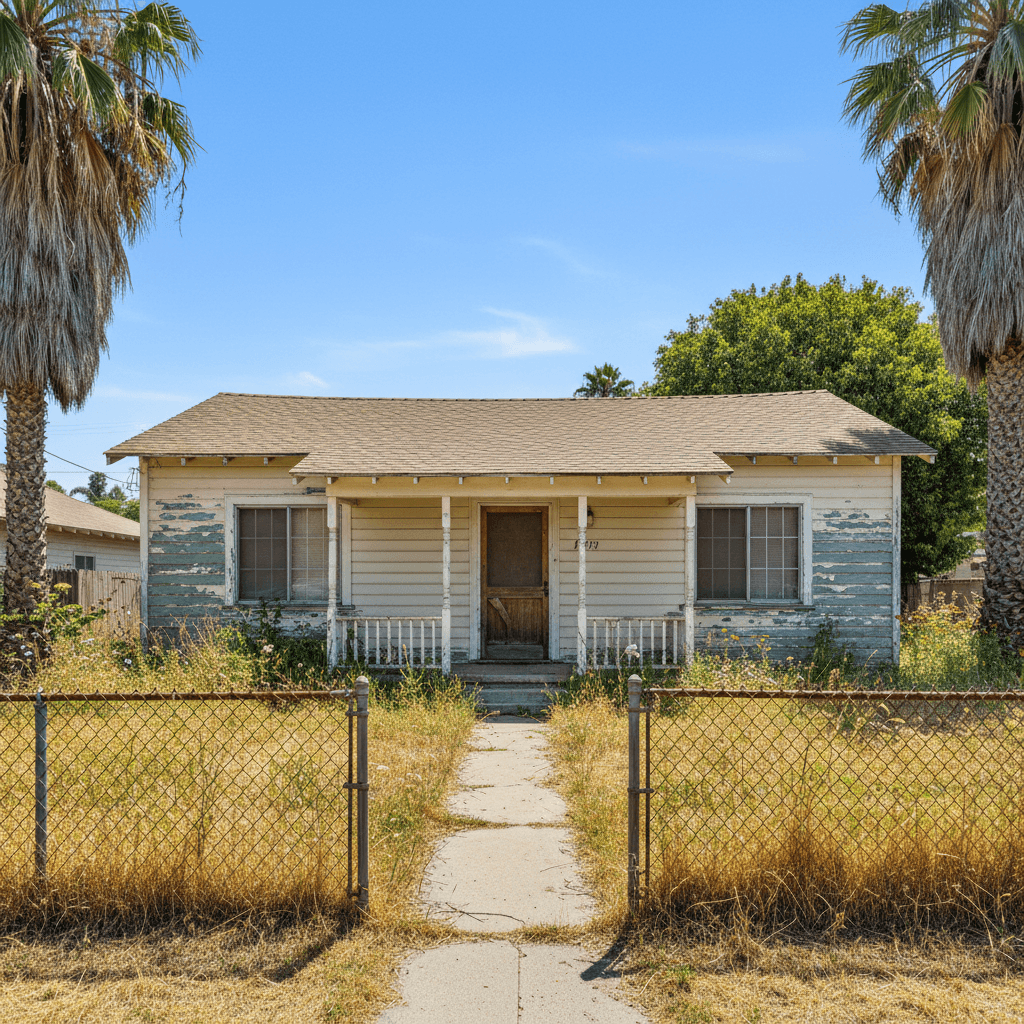
The Reality of the "HGTV Effect"
Look, I love what I do on Flip or Flop and Flipping 101. There is something incredibly satisfying about taking a house that is falling apart and turning it into the jewel of the neighborhood. But after 20 years and over 1,000 transactions, I have to be honest with you: The "HGTV Effect" has made selling a distressed home harder for the average person.
Today’s buyers are spoiled. They see these beautifully staged, "Instagram-ready" homes on TV and they expect every house on the market to look like a showroom. If your house has outdated laminate countertops, stained carpets, or—heaven forbid—structural issues, most traditional buyers will run the other way. Or worse, they’ll try to "nickel and dime" you during the inspection period, asking for $50,000 in credits for repairs you can't afford to make.
"The biggest mistake homeowners make is thinking they have to spend money they don't have to make a house sellable. In reality, you might just be digging a deeper financial hole."
Why the Traditional Market Fails Distressed Homes in California
California is a unique beast. Whether you are trying to sell your house fast in San Jose or navigating the competitive market to sell your house fast in San Diego, the costs of labor and materials are at an all-time high.
If you list a distressed property on the MLS (the traditional way), here is what usually happens:
- The "Days on Market" Trap: Your house sits. And sits. Buyers see a high "Days on Market" count and assume something is horribly wrong, leading to even lower offers.
- The Financing Wall: Most traditional buyers use FHA or VA loans. These government-backed loans have strict "habitability" requirements. If your roof is leaking or your water heater is out of code, the bank literally won't lend the buyer the money.
- The Inspection Nightmare: Even if you find a buyer, the inspection report will be 50 pages long. They’ll use every cracked tile as leverage to drop the price.
Identifying Your "Project Property" Type
Before you decide how to sell, you need to know what you’re dealing with. In my experience, distressed properties fall into three main categories:
1. The Cosmetic Fixer
This is the house with "good bones" but terrible style. We’re talking about the popcorn ceilings, the shag carpet, and the wallpaper from 1974. If you have the time and about $30,000–$50,000, you could potentially DIY this. But in places like Oakland, where the cost of living is high, even cosmetic fixes can spiral out of budget quickly.
2. The Deferred Maintenance Disaster
This is when the "little things" were ignored for too long. A small leak became mold. A flickering light became a fire hazard. These houses often have "red tags" from the city or code violations. If you're trying to sell your house fast in Bakersfield, these issues can be a major roadblock to a traditional sale.
3. The Structural Money Pit
Foundation cracks, termite infestations, or outdated electrical systems (looking at you, knob-and-tube). These are the projects I take on for TV because they make for great drama, but for a homeowner, they are a financial nightmare.
The Tarek El Moussa Strategy: Selling "As-Is"
When I buy a house, I’m not looking for perfection. I’m looking for potential. That’s the mindset you need to find in a buyer if you want to skip the renovation timeline. Selling "As-Is" means you aren't fixing a single thing. Not the leaky faucet, not the hole in the drywall, nothing.
Pro Tip: When selling as-is, transparency is your best friend. Don't try to hide the leak under a rug. A professional cash buyer already knows it's there, and they don't care! They are buying the property's future, not its past.
Step 1: Forget the "Clean Up"
I’ve seen people spend $5,000 on a professional cleaning and junk removal before calling me. Don't do it! If you sell to a professional cash buyer, you can literally leave the old furniture, the trash, and the clutter behind. We handle the haul-away.
Step 2: Skip the Inspections
In a traditional sale, you might pay $500-$1,000 for various inspections just to "know" what's wrong. Save your money. A seasoned investor can walk through your house in 15 minutes and know exactly what the repair budget will be.
Step 3: Avoid the Commission Bite
If you list with an agent, you’re looking at a 5-6% commission. On a $600,000 home in Riverside, that’s $36,000 straight out of your pocket. When you sell directly for cash, that money stays with you.
Common Mistakes to Avoid When Selling a Distressed Home
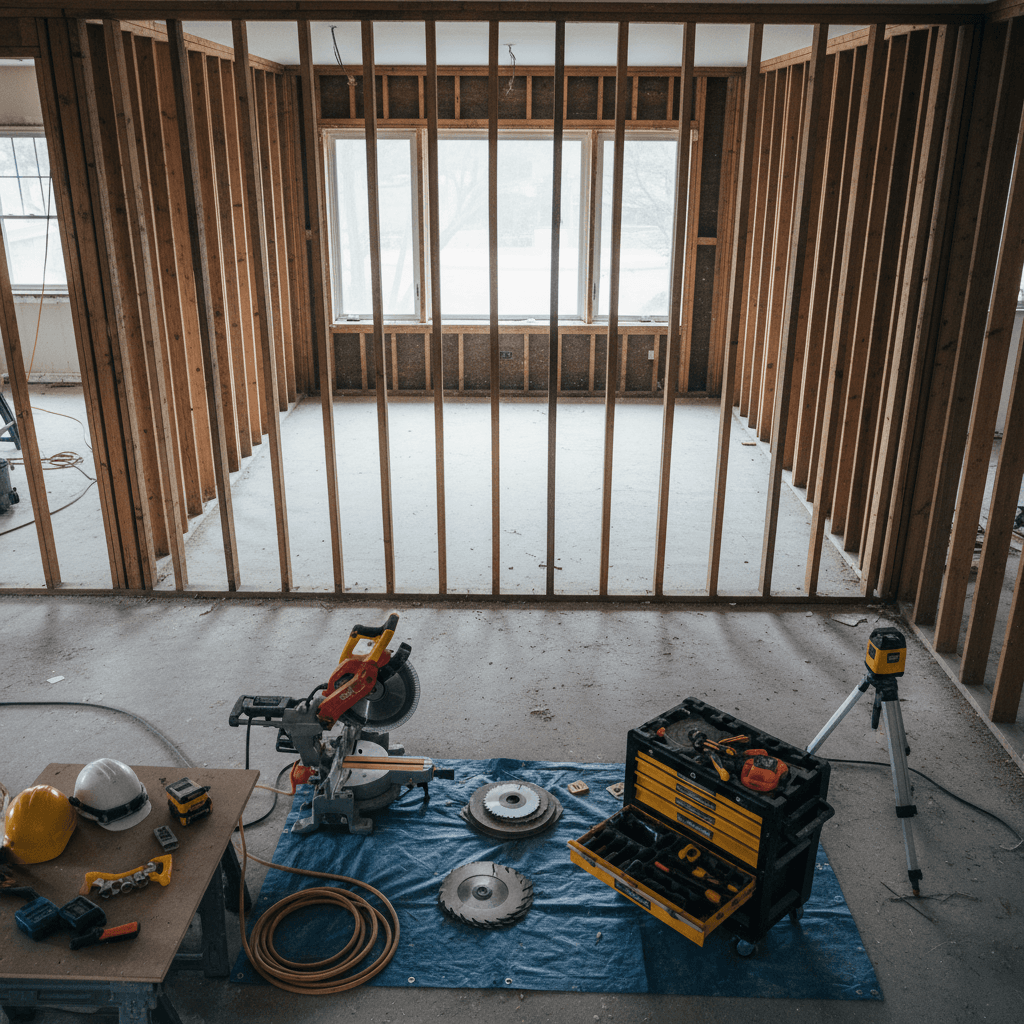
Over the last two decades, I’ve seen homeowners make the same mistakes that end up costing them tens of thousands of dollars. Avoid these at all costs:
- Over-Improving for the Neighborhood: Don't put $100,000 into a kitchen renovation if the house next door sold for $400,000. You will never get that money back.
- Hiring "Discount" Contractors: I’ve had to fix so many "handyman specials." If you're going to renovate, do it right or don't do it at all. Half-finished permits are a death sentence for a home sale.
- Waiting for the "Perfect" Market: I hear it all the time: "I'll wait until spring." Meanwhile, the taxes, insurance, and maintenance costs are eating your equity every single month.
- Emotional Pricing: I know you raised your kids there. I know you love that backyard. But the market doesn't care about memories; it cares about the cost per square foot and the cost of repairs.
Moving Forward Without the Stress
I’ve spent my career proving that every house has a solution. You don't have to be a contractor, you don't have to be a designer, and you certainly don't have to be a millionaire to get out from under a distressed property.
If you’re ready to stop worrying about the "Project Property" and start focusing on your next chapter, I’m here to help. Whether your house is in the heart of the Central Valley or the middle of Silicon Valley, my team and I want to give you the fair, fast, and honest exit you deserve.
No renovations. No timelines. No stress. Just a simple way to sell your house and get back to what matters.
Are you ready to see what your house is worth in cash?
Give me a call today at (866) 407-3411 or visit tarekbuyshouses.com to get your fair cash offer. Let’s get you moving!
"You don't need a TV show to get a fresh start. You just need the right partner." — Tarek El Moussa
Frequently Asked Questions
Does "As-Is" really mean I don't have to clean?
Yes, absolutely. When I say "As-Is," I mean it. In my 20 years of flipping, I’ve bought houses filled to the ceiling with hoarded items, houses with "pet surprises" in every room, and houses that were literally falling down. You don't need to hire a maid or a junk hauler. You take the belongings you want, and you leave the rest to us. This is one of the biggest reliefs for my clients—especially those dealing with an inherited property or a sudden relocation. We factor the clean-out into our offer so you don't have to lift a finger.
How do you determine the cash offer price?
It’s a simple formula, but it’s based on deep market data. We look at the "After Repair Value" (ARV)—that’s what the house would be worth if it were fully renovated to HGTV standards. Then, we subtract the cost of renovations (labor and materials), the holding costs (taxes, insurance, utilities), and a small margin for our risk. Because I’ve done over 1,000 flips, my renovation costs are usually lower than what a typical homeowner would pay, which often allows me to offer a more competitive price than a smaller, less experienced investor could.
How fast is a "fast" cash sale?
In the traditional California market, a sale takes 60 to 90 days if you're lucky. Between the staging, the open houses, the buyer's mortgage approval, and the escrow period, it’s a marathon. With a cash offer from Tarek Buys Houses, we can often close in as little as 7 days. Because we aren't waiting on a bank to approve a loan or an appraiser to give the "okay," we can move at the speed of your life. If you need 30 days to pack, we can do that too. You’re in the driver’s seat.
What if I have tenants in the property?
This is a huge concern for landlords in California, especially with our complex tenant laws. Whether you have great tenants or "difficult" ones who aren't paying rent, we can still buy the property. You don't have to go through the stress of an eviction process or wait for a lease to end. We have a legal team that understands the local regulations in places like Los Angeles and Oakland, and we take over the responsibility of the tenant situation once the sale is complete.
Are there any hidden fees or closing costs?
This is the best part: No. When you sell the traditional way, you’re hit with escrow fees, title insurance, transfer taxes, and agent commissions. These can easily add up to 8-10% of the sale price. When I buy your house, I cover all of those costs. The offer I give you is the amount of money you walk away with at the end of the day. There are no "surprises" at the closing table. We pride ourselves on transparency—it’s how I’ve built my reputation over the last two decades.
Why should I trust a "Cash Buyer" over a Realtor?
It’s not about trust; it’s about the right tool for the job. If you have a perfect, move-in-ready home and you aren't in a rush, a Realtor is a great choice. But if your house needs work, or if you need to move quickly, a Realtor can actually be a hindrance. They will ask you to fix things, stage things, and keep the house "show-ready" at all times. A cash buyer like me is a professional problem solver. We specialize in the "messy" situations that Realtors often don't know how to handle.