
Real Estate Tips · · 9 min read
How to Sell a House with Foundation Issues
 Tarek El Moussa · Host of HGTV's Flip or Flop · 20+ Years in Real Estate
How to Sell a House with Foundation Issues: The Ultimate Guide from a Pro flipper
I still remember a house in Santa Ana back in 2012. It looked like a dream on the outside, but the second I stepped into the living room, I felt like I was walking on the deck of a ship in a storm. I put a marble on the floor, and it zoomed across the room like it was shot out of a cannon. That was my first "big" foundation project, and it taught me that while a cracked slab can be terrifying, it's never a deal-breaker if you know the right moves.

The Truth About Foundation Issues

Let's be real: hearing the words "foundation problems" is enough to make any homeowner want to crawl under the covers. You start seeing those stair-step cracks in the brick or doors that just won't latch, and suddenly you're seeing dollar signs—and not the good kind. You're thinking about your equity evaporating and wondering if your house is even sellable.
I've flipped over 1,000 houses, and I can tell you from experience: foundation issues are common, fixable, and they don't have to ruin your life. Whether you are trying to sell your house fast in Riverside or dealing with the shifting soils in Northern California, there is a path forward. My goal today is to pull back the curtain and show you exactly how to handle this situation so you don't get taken advantage of.
"In real estate, there's no such thing as a 'bad' house—only a bad price or a bad strategy. A cracked foundation is just a math problem waiting to be solved." — Tarek El Moussa
Step 1: Identifying the Red Flags
Before you panic, you need to know what you're actually looking at. Not every crack is a structural nightmare. Some are just "settling," which is normal. But if you see these, it's time to pay attention:
- Horizontal Cracks: If you see horizontal cracks in your basement walls or foundation, that's often hydrostatic pressure pushing in. That's a "call a pro" moment.
- Stair-Step Cracks: These usually appear in brick or cinder block. They mean the house is settling unevenly.
- The Door Test: If your doors are sticking or there are gaps at the top, the frame is out of square because the ground underneath has shifted.
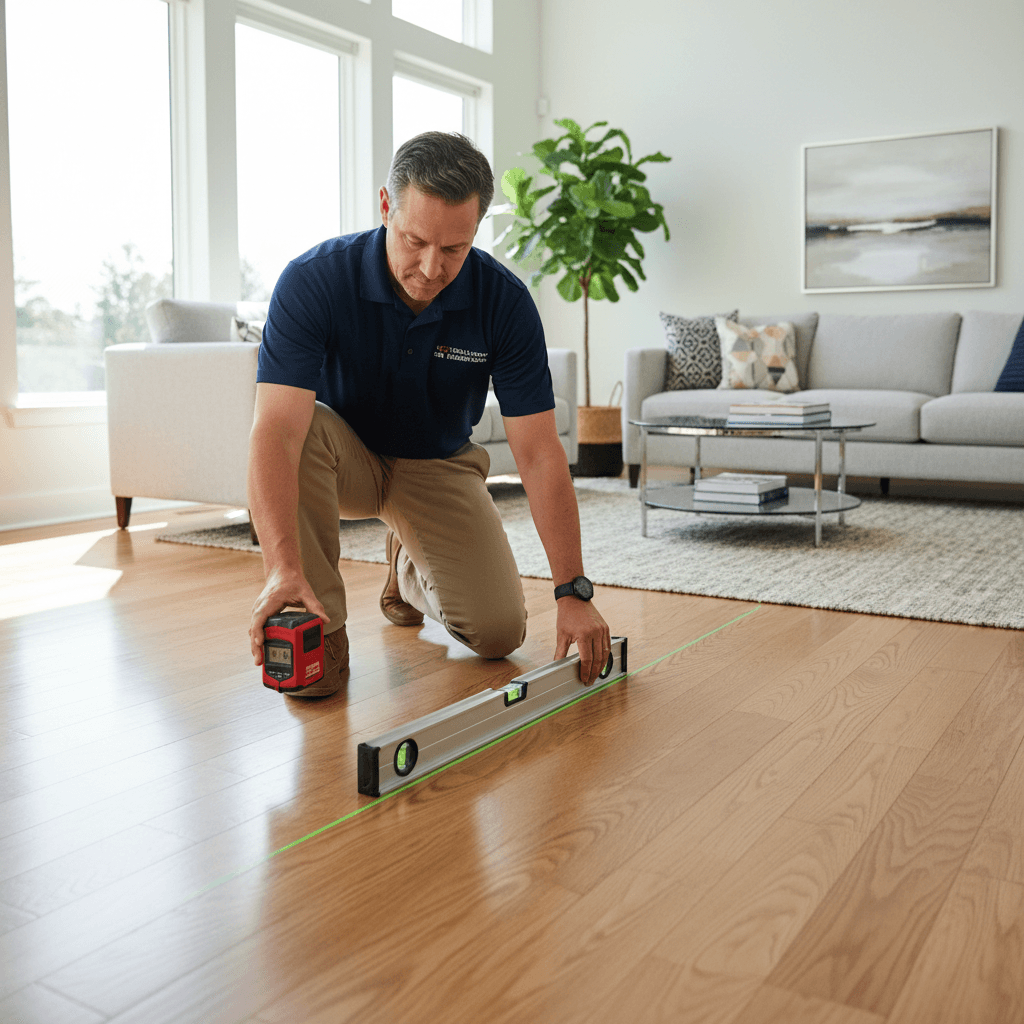
- Uneven Floors: If you feel like you're walking uphill in your own hallway, your slab or pier-and-beam system has moved.
Step 2: Get a Structural Engineer, Not Just a Contractor
This is the biggest mistake I see rookies make on Flipping 101. They call a foundation repair company first. Look, those guys are great, but they are also salespeople. They want to sell you piers and poly-jacking.
Instead, spend the $500 to $800 to hire a licensed structural engineer. They have no skin in the game. They'll give you an unbiased report that tells you exactly what's wrong and—more importantly—exactly how to fix it. When you go to sell your house fast in Los Angeles, having an engineer's report in hand builds massive trust with buyers.
Step 3: To Fix or Not to Fix?
This is the million-dollar question. Should you spend the money to fix it before listing, or sell it "as-is"?
The Case for Fixing It
If you have the cash—say $15,000 to $30,000—fixing the foundation can preserve your home's "retail" value. Most traditional buyers using an FHA or VA loan literally cannot buy a house with a failed foundation. The bank won't let them. By fixing it, you open the door to the widest pool of buyers.
The Case for Selling "As-Is"
If you don't have $20k sitting in the bank, or if you're in a hurry to move, selling "as-is" is the way to go. You'll be targeting investors (like me!) who aren't scared of a little structural work. We have the crews and the wholesale pricing to fix these issues for 40% less than a homeowner would pay.
Pro Tip: If you choose not to fix it, do NOT try to hide it. I've seen lawsuits ruin people years after a sale because they patched a crack with some putty and paint. Disclosure is your best friend.
Step 4: Understanding the Costs
I want to give you some real numbers so you aren't flying blind. These are rough estimates based on what I see in the field:
- Minor Crack Injection: $800 – $2,500
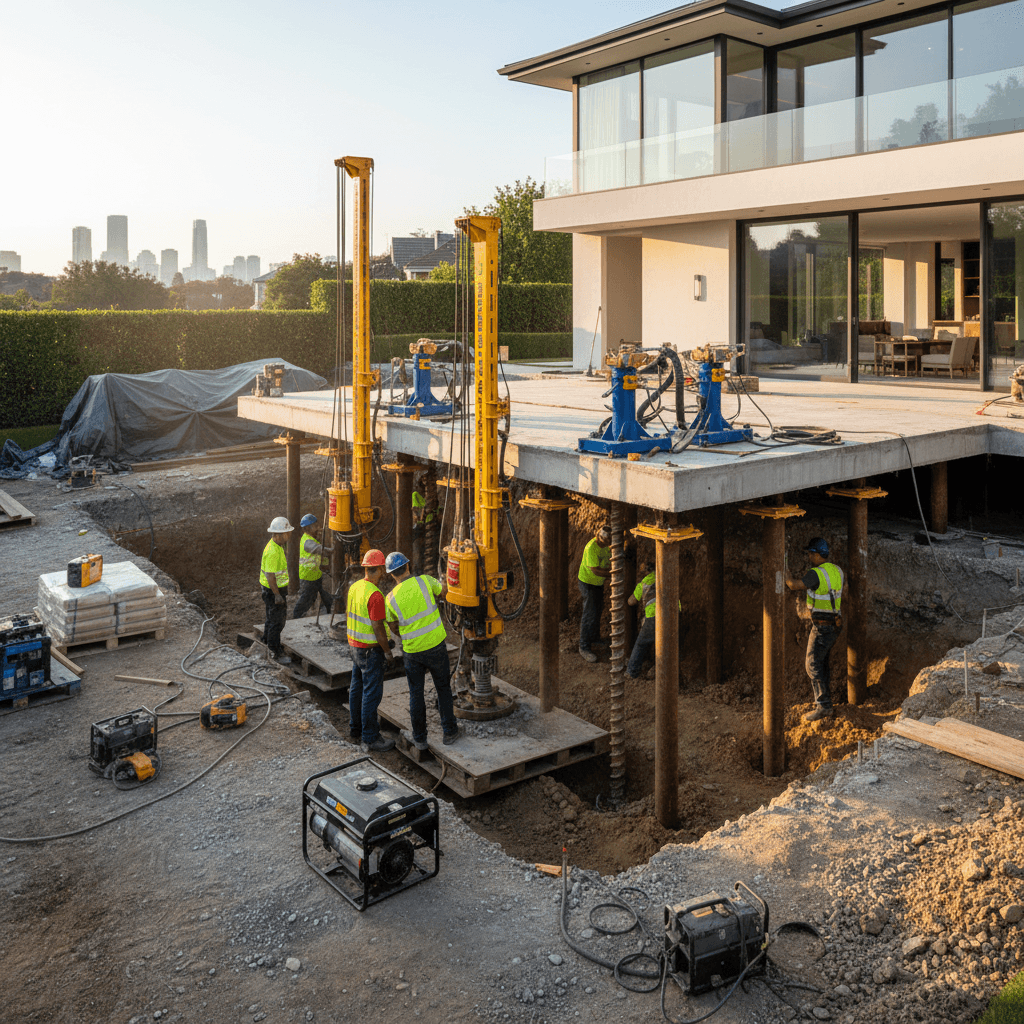
- Piering (Stabilizing the house): $1,000 – $3,000 per pier (a whole house might need 10-20 piers).
- Mudjacking/Slab Leveling: $3,000 – $6,000
- Full Foundation Replacement: $40,000 – $100,000 (Rare, but it happens!)
When I was looking at a property to sell your house fast in Fresno last year, the owner thought the house was a teardown. It turned out it just needed 8 piers and some drainage correction. We saved the house, and they got a fair price.
Step 5: Marketing a House with Foundation Issues
If you list it on the MLS, your agent needs to be strategic. You want to highlight the "bones" of the house and be upfront about the structural report.
- The "Price for Condition" Strategy: Price the home at its "Fixed Value" minus the cost of repairs, plus a "hassle discount" of about 10-15%.
- The Transparency Strategy: Include the structural engineer's report in the listing documents. It shows you aren't hiding anything.
Common Mistakes to Avoid
In 20 years, I've seen it all. Here are the 5 things that will kill your deal:
- Ignoring Drainage: 90% of foundation issues are actually water issues. If your gutters are clogged or the ground slopes toward the house, you're just pouring money into a hole. Fix the drainage first!
- Hiring the Lowest Bidder: Foundation work is not where you want to save a buck. If the piers aren't installed to the right depth, the house will just sink again in two years.
- Failing to Disclose: I can't stress this enough. Even if you think you fixed it, disclose it. In California, the laws are very strict. Whether you're trying to sell your house fast in San Jose or San Diego, tell the truth.
- Waiting Too Long: Foundations are like cavities. They don't get better with time. A $5,000 crack today is a $25,000 wall failure next year.
- Getting Emotional: It's a house, not a baby. If the math doesn't work to fix it, don't get sentimental. Sell it to a pro and move on to a house that doesn't keep you up at night.
Can I get a mortgage on a house with foundation problems?
It's very tough. Traditional lenders (FHA, VA, Conventional) have "minimum property standards." If an appraiser sees a structural crack, they'll usually flag it for "repair before closing." This is why most houses with foundation issues are sold to cash buyers. If your buyer is using a loan, be prepared for the bank to say "no" at the last minute.
Will my homeowners insurance cover foundation repair?
Usually, the answer is no. Most policies exclude "earth movement" or "settlement." Insurance typically only kicks in if the foundation was damaged by something sudden and accidental, like a pipe bursting under the slab. If it's just the house settling over time, you're likely on the hook for the bill.
How long does foundation repair take?
The actual work is faster than you'd think. Most piering jobs can be done in 3 to 7 days. However, the engineering and permitting process can take 4 to 8 weeks depending on your city. If you're in a rush to sell your house fast in Santa Ana, you need to factor in that lead time.
Should I tell my Realtor about the cracks?
Yes, 100%. Your Realtor has a legal and ethical obligation to disclose material facts. If you keep them in the dark, you're putting them—and yourself—at massive legal risk. A good agent will know how to frame the issue to potential buyers so it doesn't sound like the end of the world.
How do I know if the repair was done right?
Always ask for a "transferable warranty." Any reputable foundation company will guarantee their work for 20+ years, and that warranty should move to the new owner. This is a huge selling point! Also, ensure the final "elevation report" shows the house is back within industry tolerances (usually 1/10th of an inch).
The Tarek El Moussa Bottom Line
Look, I know how heavy this feels. Your home is your biggest investment, and feeling the ground literally shift beneath you is stressful. But I've bought houses that were literally splitting in half and turned them into beautiful, safe homes for new families.
If you're feeling overwhelmed and you don't want to deal with engineers, contractors, permits, and the uncertainty of the retail market, I'm here to help. I buy houses exactly like this every single day. I don't care about the cracks, the sticking doors, or the sloping floors. I'll take on the risk so you don't have to.
You don't have to fix a single thing. No cleaning, no repairs, and no commissions. Just a fair, honest cash offer so you can move on to your next chapter with peace of mind.
Ready to see what your house is worth today?
Give my team a call at (866) 407-3411 or head over to tarekbuyshouses.com to get your no-obligation cash offer. Let's get you moving!
"Don't let a crack in the foundation become a crack in your future. Take action, get the facts, and make the move that's right for your family." — Tarek
Frequently Asked Questions
Does a foundation issue mean my house is worthless?
Absolutely not. No house is worthless. It just means the "market value" is adjusted. If a house would be worth $500,000 in perfect condition, and it needs $50,000 in foundation work, it's likely worth around $400,000 to $425,000 in its current state. Investors look for these opportunities because we know how to handle the risk.