
Real Estate Tips · · 11 min read
How to Sell a House That Needs Major Repairs
 Tarek El Moussa · Host of HGTV's Flip or Flop · 20+ Years in Real Estate
How to Sell a House That Needs Major Repairs: My Pro Playbook for Getting Top Dollar
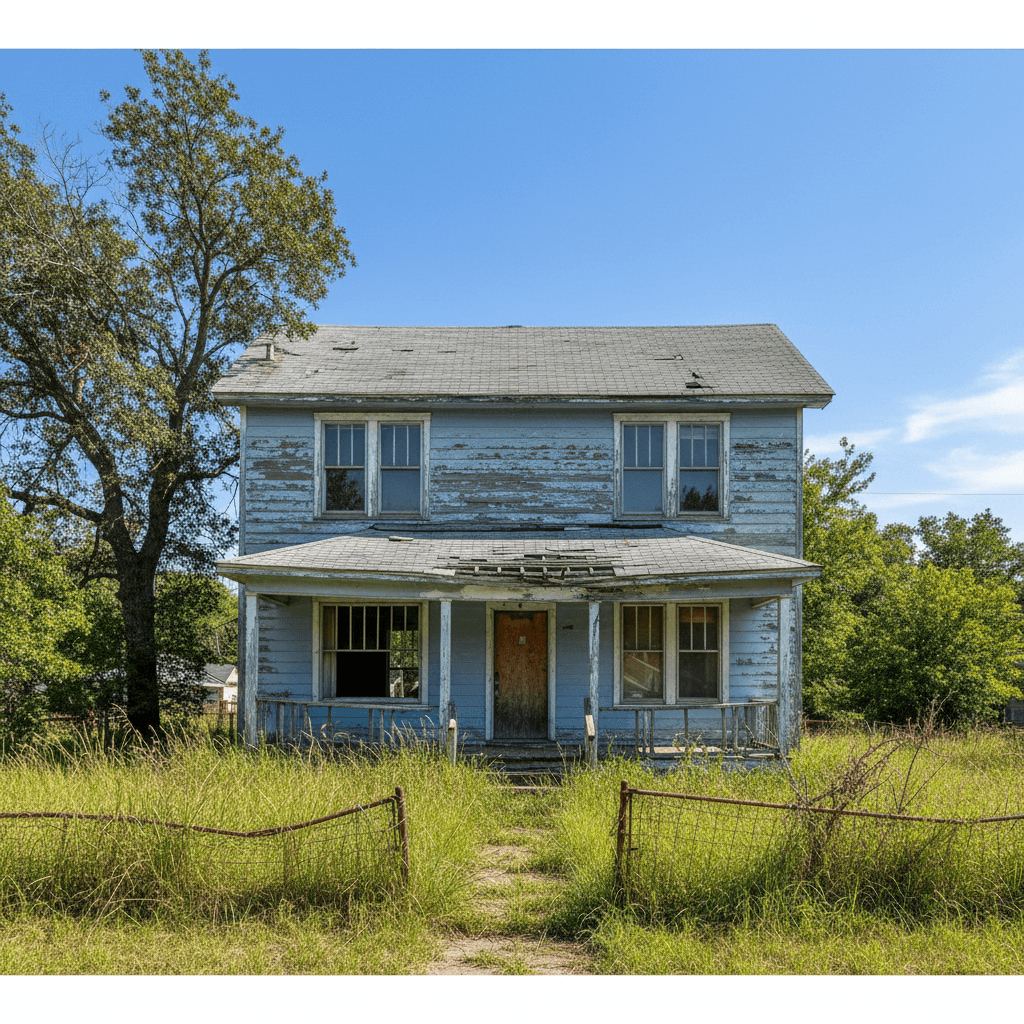
I'll never forget a property I walked into back in 2011 in Santa Ana. The smell of mold hit me before I even crossed the threshold, the roof was sagging like a wet cardboard box, and there was a literal hole in the kitchen floor leading straight to the dirt crawlspace. Most people would have turned around and ran, but I saw exactly what I always see: opportunity. Whether you're dealing with a "fixer-upper" or a total "gut job," selling a house that needs major work doesn't have to be a nightmare if you have the right strategy.
Real Talk: The Reality of Selling a Distressed Property
Listen, I've filmed hundreds of episodes of Flip or Flop and Flipping 101, and if there's one thing I've learned from over 1,000 transactions, it's that every house has a buyer—you just have to know how to find them. When your home has foundation issues, a 30-year-old HVAC system, or a roof that leaks every time it drizzles, you're in a different league than the guy selling a turnkey mansion down the street.
You're likely feeling overwhelmed. Maybe you inherited a property that was neglected for decades, or perhaps life just got in the way and the maintenance list grew longer than your arm. I've been there. I've risked my own capital on houses that looked like they should be torn down. The stress is real, but I'm here to tell you there is a clear path forward.
In this guide, I'm pulling back the curtain on the exact framework I use to evaluate and sell distressed real estate. We're going to cover how to price it, how to market it, and how to decide if you should swing a hammer or just walk away with a check.
Step 1: The Brutal Truth Inspection
Before you list or call an investor, you need to know exactly what you're dealing with. I call this the "Brutal Truth" phase. Most homeowners underestimate the cost of repairs by about 30-50%. On Flipping 101, I see students all the time who think a kitchen remodel costs $10k when it's actually $25k in today's market.
Get a professional inspection—not to fix everything, but to arm yourself with knowledge. If you know the foundation repair is $15,000, you can handle negotiations with confidence. If you don't know, a buyer might try to scare you into a $30,000 credit.
"In real estate, the things you can't see—the plumbing, the electrical, the foundation—are the things that can break your bank. Always start with the bones of the house." — Tarek El Moussa
Step 2: To Fix or Not to Fix?
This is the million-dollar question. Should you spend $50,000 to make $60,000? Usually, the answer is no. If you're selling a house that needs major repairs, you have to realize that you will rarely get a 1-to-1 return on your investment for big-ticket items like a new roof or a sewer line.
Here is my rule of thumb: Only fix things that prevent a buyer from getting a loan.
Most traditional buyers use FHA or VA loans. These programs have strict "livability" requirements. If the house has peeling lead paint, a broken heater, or exposed wiring, the bank won't fund the loan. By fixing just those "red flag" items, you open your home up to a much larger pool of buyers. However, if the repairs are structural or massive, you're better off selling "As-Is" to a professional who has the cash and the crew to handle it.
Step 3: Understanding the "As-Is" Market
When you sell "As-Is," you are telling the buyer: "What you see is what you get." You still have to disclose known defects (that's the law!), but you aren't promising to fix them.
If you're looking to sell your house fast in Orange County or perhaps sell your house fast in Irvine, you'll find that the "As-Is" market is incredibly active. The buyers in this space are typically:
- House Flippers: People like me who want to add value.
- Buy-and-Hold Investors: People looking for rentals.
- Hard Money Borrowers: Professional renovators using private capital.
The benefit here is speed. When I buy a house in cash, we can often close in as little as 7 days. No appraisals, no bank inspections, and no waiting for a buyer to sell their own house first.
Step 4: Pricing for the "Investor Math"
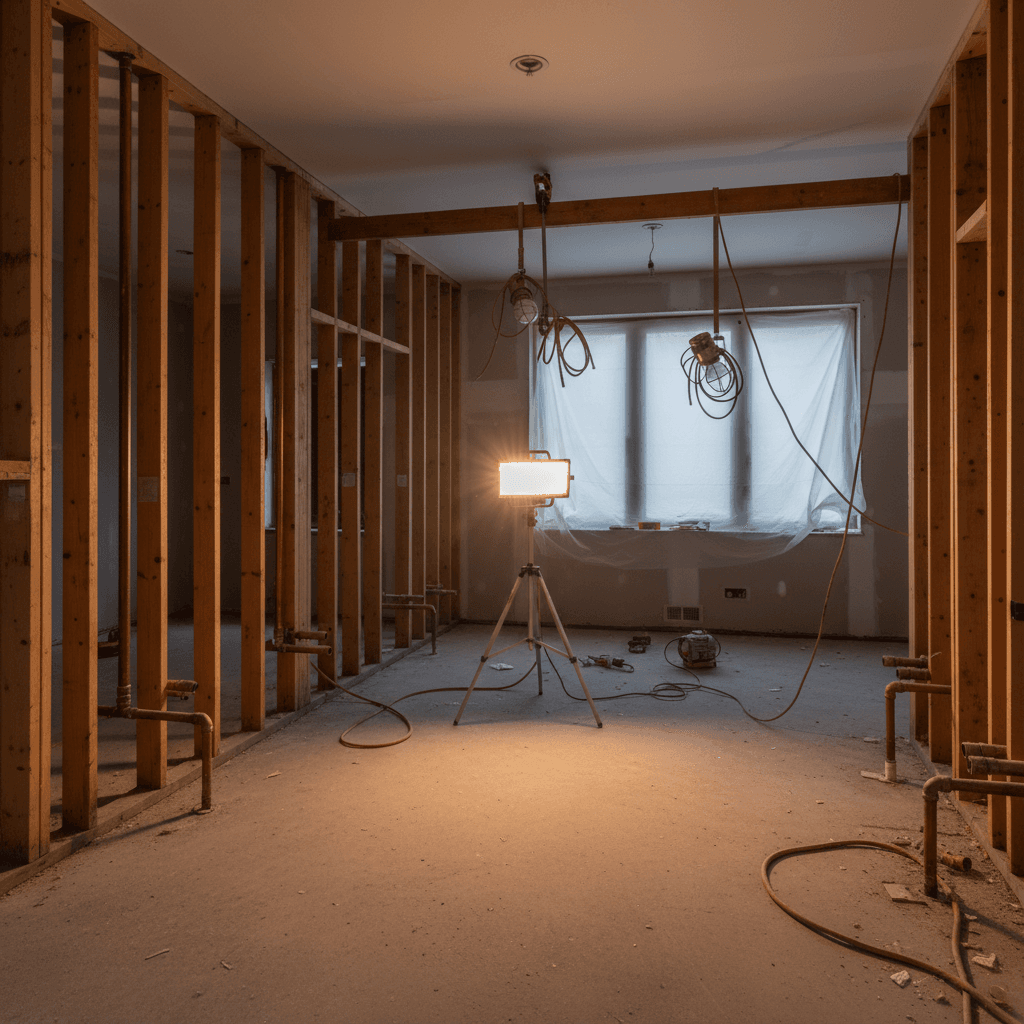
Investors don't buy based on emotion; they buy based on a formula. If you want to sell a house that needs work, you have to understand the ARV (After Repair Value).
The formula looks like this: ARV - Repair Costs - Holding/Closing Costs - Desired Profit = Your Purchase Price.
If the house would be worth $500,000 fully renovated, but it needs $100,000 in work, you can't list it for $400,000. Why? Because the buyer is taking on all the risk, the permit headaches, and the labor. To get a deal done, you have to price it so it makes sense for someone to take that risk off your hands.
Step 5: Marketing the Potential, Not the Problems
When I'm listing a fixer-upper, I don't lead with "Roof is leaking." I lead with "Incredible opportunity in a high-demand neighborhood."
Whether you are trying to sell your house fast in San Diego or sell your house fast in Oakland, your marketing needs to highlight the "bones" and the "location." Use words like:
- "Blank canvas"
- "Handyman special"
- "Value-add opportunity"
- "Sweat equity"
High-quality photos are still important! Even if the carpet is stained, clean the house out. A cluttered, dirty house looks much more expensive to fix than a clean, empty house with old finishes.
Pro Tip: If you're selling a house with major issues, remove the trash and old furniture. It costs a few hundred bucks for a dumpster but can add thousands to your perceived value.
Common Mistakes When Selling a Distressed Home
Over the last two decades, I've seen homeowners make the same mistakes that cost them tens of thousands of dollars. Avoid these at all costs:
- Over-Improving: Don't put $20,000 into a designer kitchen if the foundation is cracked. A buyer will love the cabinets but won't be able to get a loan because of the structural issues. Fix the "must-haves" before the "nice-to-haves."
- Hiding Defects: This is a huge no-no. Not only is it unethical, but it will also kill your deal during the escrow period when the buyer's inspector finds it anyway. Be upfront. It builds trust and ensures the deal actually closes.
- Choosing the Wrong Buyer: Not all "Cash Offers" are created equal. I've seen many "wholesalers" tie up a property with a contract and then try to back out at the last minute because they couldn't find a real buyer. Work with someone who has a proven track record.
- Waiting Too Long: Houses that need repair don't get better with age. A small roof leak today becomes a mold remediation nightmare next year. If you can't afford the repairs, sell now before the damage compounds.
- Using a Traditional Agent for a Non-Traditional House: Some agents are great at selling "pretty" houses but have no idea how to market a "beast." If your house needs a total overhaul, you need someone who speaks the language of investors.
Can I sell a house with a failed foundation?
Yes, absolutely. I've bought dozens of them. However, you need to realize that a failed foundation usually disqualifies the house from traditional financing (FHA/VA/Conventional). This means you are limited to cash buyers or investors. To sell a foundation-issue home, you should get a structural engineer's report. This tells the buyer exactly what is wrong so they don't have to guess. Guessing leads to "risk pricing," which means lower offers for you. If you have the report, the buyer can get an exact quote for the repair, which usually results in a higher net price for the seller.

How do I sell a house that is full of "hoarder" junk?
You don't even have to clean it out if you sell to the right buyer. When we buy houses at Tarek Buys Houses, we often tell the sellers: "Take what you want, leave what you don't." We've handled everything from old newspapers to broken appliances. If you try to sell this on the open market (the MLS), the "hoarder" aspect will drive away 99% of families and will lead to very low offers. If you're in a spot like Bakersfield and have a property overflowing with stuff, call a professional investor who includes junk removal as part of the service.
What repairs give the best Return on Investment (ROI) before selling?
If you have a limited budget, focus on "Curb Appeal" and "Freshness." A gallon of paint is the cheapest way to change the feel of a room. Mowing the lawn, trimming overgrown bushes, and power washing the driveway can change a buyer's mindset before they even walk through the front door. After that, focus on "functional" items: ensure the toilets flush, the lights turn on, and there are no active leaks. Avoid spending money on expensive tiles or high-end appliances in a house that still needs a new furnace.
Should I disclose repairs I made years ago?
Yes. In California and most other states, you are required to disclose any material facts about the property. If you had a fire 10 years ago and fixed it, disclose it. If the basement flooded in the 90s, disclose it. If you have the permits and receipts for the repairs, even better! It shows you were a responsible homeowner. Hiding past repairs creates "red flags" for buyers and their inspectors, which can lead to them backing out of the deal during the contingency period.
Why is my "As-Is" house sitting on the market so long?
If an "As-Is" house isn't selling, it's almost always the price. The market is telling you that your "As-Is" price is too close to the "Renovated" price. Remember, a buyer is looking at your house and seeing a giant "To-Do" list. They are calculating the cost of materials, the cost of labor, the cost of permits, and the "headache factor." If your price doesn't account for those things, they will move on to the next deal. Sometimes, a price drop of even 5% can trigger a bidding war among investors.
Conclusion: You Don't Have to Do This Alone
Selling a house that needs major repairs can feel like you're carrying a mountain on your shoulders. I've seen the stress it puts on families, and I've seen the relief on their faces when they finally hand over the keys and move on with their lives. You don't have to spend months dealing with contractors, permits, and "no-show" workers.
Whether your property is in the heart of Orange County or up in Oakland, there is a way to exit your property with your dignity and your equity intact.
If you're ready to skip the renovations, skip the open houses, and get a fair, honest offer for your home exactly as it sits today, I'm here to help. My team and I buy houses in any condition, and we pride ourselves on making the process as simple as possible.
Ready to see what your house is worth?
Visit tarekbuyshouses.com or give us a call at (866) 407-3411. Let's get you a cash offer and get you moving toward your next chapter. No repairs, no cleaning, no stress. Just a simple sale.
I can't wait to work with you!
— Tarek