
Market Trends · · 9 min read
Beyond the Flip: How Tarek’s Strategy Solves California’s New ‘Insurability Gap’ for Distressed Properties
 Tarek El Moussa · Host of HGTV's Flip or Flop · 20+ Years in Real Estate
Beyond the Flip: How Tarek’s Strategy Solves California’s New ‘Insurability Gap’ for Distressed Properties
I remember it like it was yesterday. It was 2008, the height of the housing crash, and I was standing in front of a dilapidated house in Santa Ana with exactly $115 in my bank account. I was scared, I was broke, but I had a vision. Since then, I’ve flipped over 1,000 houses and hosted over 15 seasons of television on HGTV. But what we’re seeing in California right now? It’s a whole different animal.
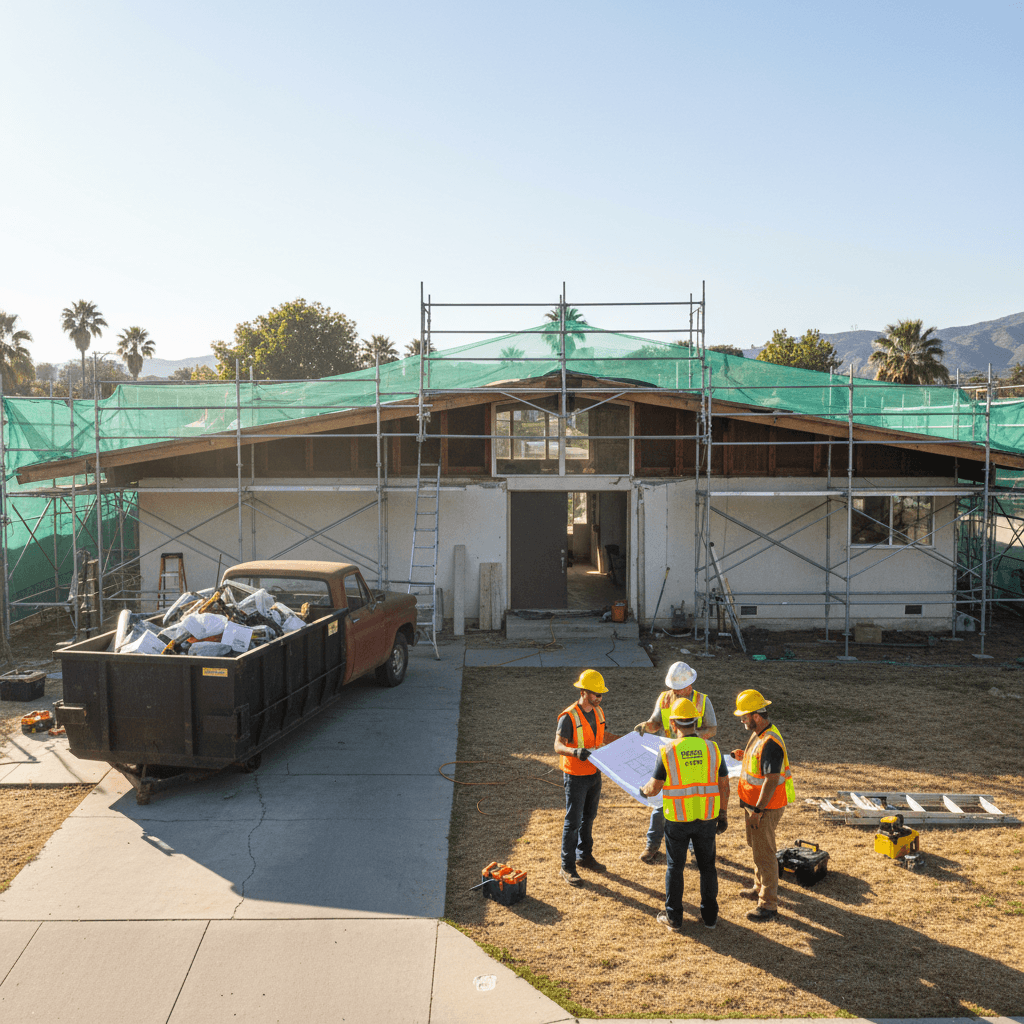
The New Crisis: The California Insurability Gap
For years, I’ve told you that real estate is about the "three L's": Location, Leverage, and Liquidity. But in 2024, a new "I" has taken center stage: Insurability.
If you’ve been watching the news, you know that major carriers are pulling out of California. But what they aren’t telling you is how this is specifically killing the "distressed" homeowner. If you have a roof that’s 20 years old, knob-and-tube wiring, or a property in a high-fire-risk zone, you aren't just looking at high premiums—you’re looking at a property that is effectively unsellable to a traditional buyer.
This is what I call the Insurability Gap. It’s the space where a homeowner wants to sell, but because the house needs work, a traditional lender won't fund the buyer's loan without a proof of insurance—which the insurance companies won't give because the house needs work. It’s a vicious cycle that leaves good people stuck in bad situations.
Why Traditional Selling is Failing Homeowners Right Now
When I’m filming Flipping 101, I see it all the time. A homeowner lists their property, gets an offer, and then—boom—the deal falls through during the inspection or appraisal period because the buyer's insurance quote came back at $12,000 a year, or worse, they were denied coverage entirely.
Most people don't realize that if you want to sell your house fast in Los Angeles, you aren't just competing with other houses; you're competing with the insurance industry's risk algorithms.
The Underwriting Nightmare
In the old days (standard 2015-2019), an older roof was a negotiation point. Today, it’s a deal-killer. If a buyer can't get a policy, the bank won't give the mortgage. Suddenly, your "fixer-upper" that should be worth $600,000 is sitting on the market for 90 days with zero bites.
"In today's market, 'fixer-upper' doesn't just mean sweat equity anymore—it means an insurance hurdle that most retail buyers simply can't jump over." — Tarek El Moussa
My Strategy: How We Close the Gap
When I buy a house, I’m not looking at it the way a traditional buyer does. I’m looking at the potential. Because I have the crews, the capital, and the experience, I can take on the risks that scare off the big insurance companies and the traditional banks.
Whether you are trying to sell your house fast in Riverside or dealing with the unique fire-zone challenges when trying to sell your house fast in Sacramento, my strategy is built to bypass the red tape.
1. We Buy With Cash (Removing the Bank)
The biggest hurdle in the insurability gap is the lender. By removing the need for a mortgage, we remove the immediate requirement for a traditional high-premium policy to close the deal. I use my own capital, which means no waiting for a loan officer to tell us "no."
2. We Internalize the Risk
I’ve spent 20 years building a network. When I buy a distressed property, I’m prepared to handle the immediate "forced-placed" insurance or specialty commercial policies that a regular family moving into a home simply can't afford or access.
3. The "Day One" Renovation
The reason insurance companies hate distressed homes is the liability. Old plumbing leaks; old wiring starts fires. My team moves in on Day One to mitigate those risks. We don't just "flip" for profit; we stabilize the property so it can re-enter the California housing ecosystem safely.
The Ripple Effect: From Orange County to San Jose
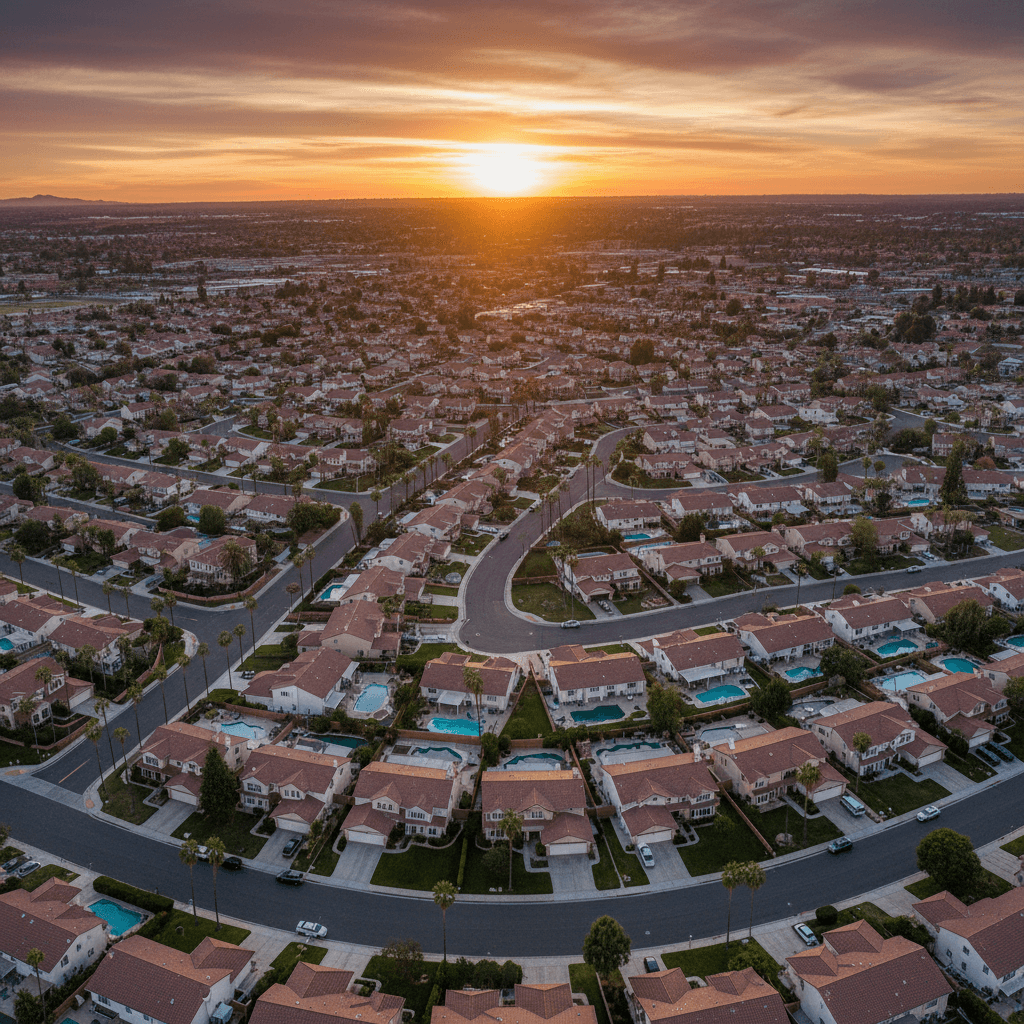
The insurability crisis isn't just a "wildfire" problem. I’m seeing it in the suburbs, too. If you’re looking to sell your house fast in Orange County, you might be surprised to find that even "safe" neighborhoods are seeing premium hikes of 30% to 50%.
Up north, if you want to sell your house fast in San Jose, the cost of living is already so high that an extra $400 a month in insurance premiums can disqualify a buyer from their loan.
This is why my "As-Is" cash offer is becoming the preferred route for homeowners who don't have the time or $50,000 in cash to "fix" the house just to make it "insurable" for a buyer who might still back out.
5 Mistakes Homeowners Make in This Market

I’ve seen it all, and I want to save you the headache. Here are the top mistakes I see people making when they’re stuck in the insurability gap:
- Spending money on the wrong "fixes": Don't spend $20k on a new kitchen if your electrical panel is from 1960. The insurance company cares about the panel, not the quartz countertops.
- Waiting for the "Spring Market": In California, waiting can be dangerous. As more insurance companies leave the state, the pool of buyers who can actually get a loan shrinks. Selling now is often better than selling later.
- Hiding issues from the inspector: This is a huge "no-no." In the age of digital records, insurance companies see everything. If they find a hidden issue, they will cancel the policy, and your deal will die on the 11th hour.
- Trusting an agent who doesn't understand insurance: If your Realtor isn't talking to you about the FAIR Plan or non-admitted carriers, they aren't prepared to sell your house in 2024.
- Over-improving for the neighborhood: I see this on Flipping 101 all the time. People think a luxury renovation will solve everything. It won't. If the house is in a high-risk zone, the "finish level" doesn't change the "risk level."
Can I sell my house if it’s currently uninsured?
Yes, but you likely cannot sell it to a buyer using a traditional mortgage (FHA, VA, or Conventional). Lenders require a binder of insurance at the closing table. If you can't provide it, the loan won't fund. This is where a cash buyer like me comes in. We don't need a bank’s permission to buy your house. We see the value, we take the risk, and we close the deal.
What is the California FAIR Plan, and will it help me sell?
The FAIR Plan is the "insurer of last resort." It’s a state-mandated program for people who can't get insurance anywhere else. While it's a lifesaver for some, it is often much more expensive and provides less coverage than a standard policy. Many buyers are scared off by the high cost of FAIR Plan premiums, which can add hundreds of dollars to their monthly mortgage payment, often disqualifying them from the loan entirely.
How do you determine your cash offer price?
I’m glad you asked, because I believe in 100% transparency. I look at the "After Repair Value" (ARV)—what the house will be worth once I’ve brought it up to modern safety and insurance standards. Then, I subtract the cost of those renovations, the carrying costs (taxes, insurance, utilities), and a fair profit for my team. You get a guaranteed, hassle-free exit, and I take on the months of renovation work and the insurance headaches.
Does "As-Is" really mean "As-Is"?
With me, absolutely. I’ve bought houses full of trash, houses with structural foundations that were literally sliding down hills, and houses that had been sitting vacant for a decade. You don't need to pick up a paintbrush, you don't need to hire a cleaning crew, and you definitely don't need to worry about the insurance inspector. I take it exactly the way it sits today.
How long does the process take?
Traditional sales in California are taking 60-90 days right now because of the appraisal and insurance hurdles. When you work with me, we can often close in as little as 7 days. Because we aren't waiting on a bank's "Underwriting Department" to approve a 400-page loan application, we can move as fast as you need us to.
The Tarek Promise: Empathy and Action
I know what it’s like to feel stuck. I’ve had my back against the wall more times than I can count. Whether you’re facing foreclosure, dealing with an inherited property that’s falling apart, or you’re just tired of the California insurance nightmare, I want you to know there’s a way out.
You don't have to navigate this "Insurability Gap" alone. My team and I have the resources to take the burden off your shoulders. We’ve done this over a thousand times, and every single one of those deals started with a simple conversation.
Pro Tip: Don't let a "denial of coverage" letter from your insurance company make you think your house is worthless. It just means you need a buyer who doesn't rely on insurance companies to make a decision.
Let’s Get Your House Sold
If you’re ready to skip the open houses, skip the "fix-it" list, and skip the insurance drama, I’m ready to help. I’m buying houses all across California right now—from the coast to the valley.
Don't wait for the next policy cancellation notice. Let's see what we can do for you today.
Give us a call at (866) 407-3411 or visit tarekbuyshouses.com to get your fair, no-obligation cash offer.
I’ll see you at the closing table!
— Tarek El Moussa
Frequently Asked Questions
Why won't insurance companies cover my house if it just needs a little work?
Insurance companies are in the business of predicting risk. To them, a "little work"—like a roof that is 15 years old or a water heater without seismic strapping—represents a statistical certainty of a future claim. In California, because the state limits how much companies can raise rates, many insurers have decided that the risk of a "distressed" home simply isn't worth the premium. They would rather have zero customers than one customer who might have a $50,000 pipe-burst claim.