
Local Insights · · 6 min read
The Impact of Remote Work on California Housing
 Tarek El Moussa · Host of HGTV's Flip or Flop · 20+ Years in Real Estate
The Impact of Remote Work on California Housing
I still remember the day the world stopped in March 2020. I was mid-swing on a massive renovation in Orange County, and suddenly, the "rules" of real estate changed overnight. For twenty years and over 1,000 flips, I've seen market crashes, interest rate spikes, and inventory shortages, but nothing shifted the DNA of California housing quite like the remote work revolution.
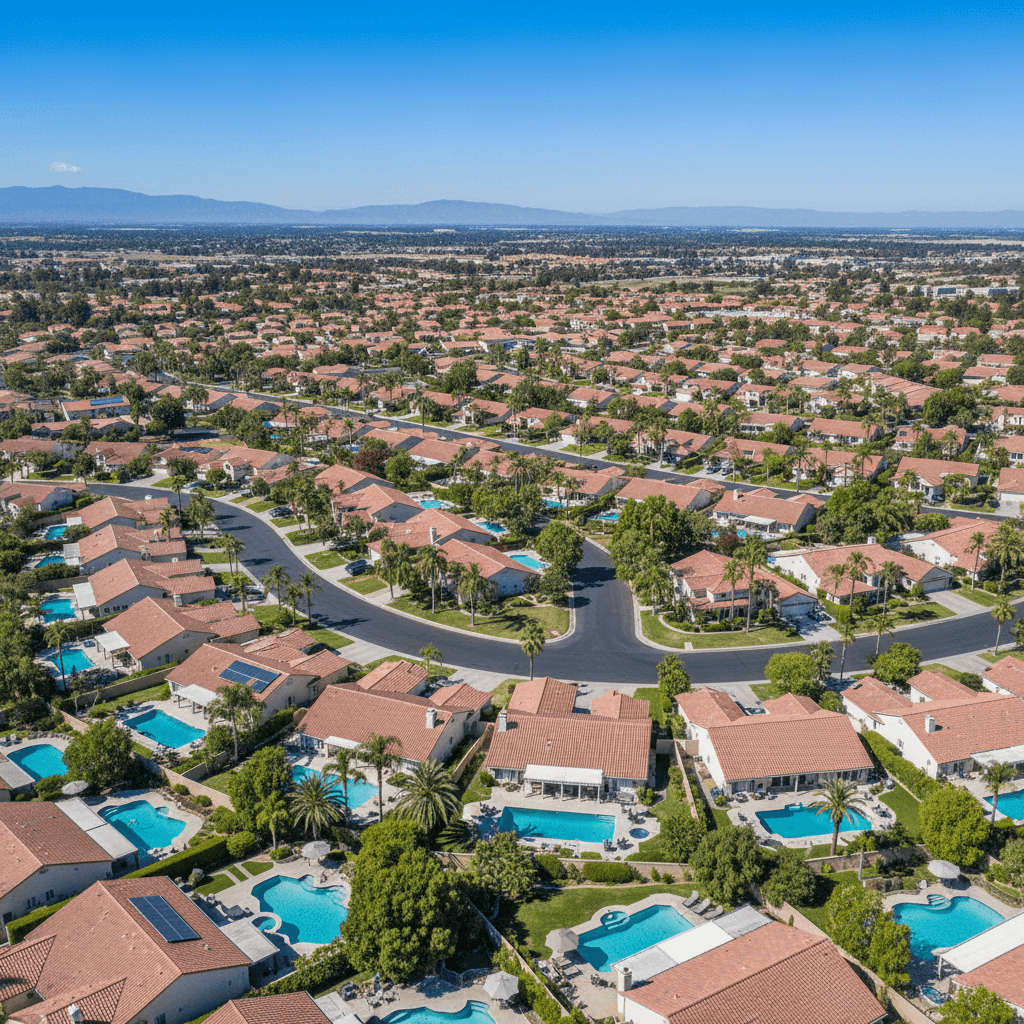
The Great California Migration: From Cubicles to Coastal Living
When I started filming Flip or Flop over a decade ago, the golden rule was proximity. People would pay a massive premium to live within 20 minutes of their office in Irvine or Los Angeles. But then, the office moved to the kitchen table.
Suddenly, my buyers weren't asking about commute times; they were asking about high-speed fiber optics and dedicated office spaces. I saw families who had been cramped in 900-square-foot apartments in San Francisco packing up and heading for more breathing room.
This wasn't just a temporary trend. It was a fundamental shift in how we value our four walls. If you're a homeowner feeling like your current house doesn't fit your "new normal," you aren't alone. I've talked to thousands of people who realized that if they can work from anywhere, they don't have to stay in a house that makes them miserable.
The "Zoom Room" Premium: How Value Shifted
In the old days of flipping, I'd focus on the kitchen and the master bath. Those are still the "money rooms," don't get me wrong. But in the age of remote work, I started noticing something on Flipping 101. Houses with a clear, staged "home office" or a finished ADU (Accessory Dwelling Unit) were selling for $30,000 to $50,000 more than identical houses without them.
What Buyers Want Now
- Dedicated Office Space: Not a "desk in the corner of the bedroom," but a real room with a door and good lighting.
- Fast Internet: Houses in areas with fiber optic internet command a premium.
- Outdoor Space: With everyone working from home, a backyard is no longer a "nice to have"—it's a necessity.
If you're looking to sell your house fast in San Diego, highlight the home office. If you sell your house fast in Orange County, show off the backyard with the Al Fresco dining setup. These features are worth their weight in gold in today's market.
The "Donut Effect": How Remote Work Reshaped California
Economists call it the "Donut Effect"—the center of the city hollows out while the suburbs get fatter. I've seen it with my own eyes. Downtown LA office vacancies hit record highs, while suburbs like Riverside and San Bernardino saw home prices surge 40%+ during the pandemic.
Who Won?
- The Inland Empire: This area became the "remote work capital" of California. Families fleeing LA and OC for more space drove prices through the roof.
- Coastal Suburbs: Areas like Carlsbad, Ventura, and Santa Clarita saw massive demand.
- The Central Valley: Cities like Fresno and Bakersfield became affordable alternatives for remote workers priced out of the coast.
Who Lost?
- Small Condos in Urban Centers: Without the commute premium, these properties lost value.
- Cities with Weak Tech Infrastructure: If your city doesn't have good internet, remote workers won't buy there.
What This Means for Home Sellers Right Now
1. Your Home Office is Your Best Asset
If you're planning to sell, stage the spare bedroom as an office. When I flip houses now, I always make sure at least one secondary bedroom is set up with a desk, good lighting, and a high-quality backdrop for Zoom calls. It costs almost nothing to stage but adds tens of thousands to the perceived value.
2. Location Still Matters (But Differently)
"Location" used to mean "closer to downtown." Now it means "closer to nature, good schools, and good internet." If you're in a quieter suburb, lean into that. Buyers are looking for peace and quiet, not nightlife.
3. Flexibility is Key
Buyers want spaces that can be used in multiple ways. A formal living room that sits empty 364 days a year is a waste. A room that can be a home gym, a yoga studio, and an office? That's gold.
The Future of California Housing Post-Remote Work
Is remote work permanent? Partially. The "return to office" push is real, but it's not bringing everyone back 5 days a week. Hybrid work (2-3 days in the office) is likely the new normal.
This means:
- Homes within a "commutable distance" to major job centers will hold their value. You can live in Temecula and drive to San Diego twice a week.
- "Zoom Towns" will stabilize. The explosive growth in places like Palm Springs will cool, but values won't crash because the lifestyle is still attractive.
- ADUs will become even more valuable. A separate unit for guests, a nanny, or a home office is the ultimate "flex space."
"Remote work didn't kill California real estate—it just moved the goalposts. The game is the same, but the winning strategy has changed." — Tarek El Moussa
Should I wait for the market to "return to normal"?
The "normal" of 2019 isn't coming back. Remote work has permanently changed housing preferences. If you're waiting for downtown values to soar again, you might be waiting a long time.
The Bottom Line
Remote work has been the biggest disruptor in real estate since the mortgage interest deduction. It's changed where people want to live, what they want in a home, and how much they're willing to pay for it. As a seller, your job is to adapt to this new reality.
If you're sitting on a property that doesn't fit the "remote work lifestyle," or if you just want to cash out and move on, I can help. I've been navigating California real estate through every possible market condition, and remote work is just the latest challenge.
Ready to sell? Go to tarekbuyshouses.com or call (866) 407-3411. Let's make a deal.
Frequently Asked Questions
Has remote work permanently lowered California home values?
No. It has shifted values. Some areas (like downtown condos) have gone down, but others (like suburban homes) have gone up significantly. The overall market is resilient.
Is it worth converting my garage into an ADU?
If you have the budget, absolutely. An ADU can add significant value to your property. In many California cities, permitting has been streamlined. A permitted ADU can add $200-$500 per square foot in value, depending on your market.