
Seller Guides · · 6 min read
Selling a House with Code Violations: Your Options Explained
 Tarek El Moussa · Host of HGTV's Flip or Flop · 20+ Years in Real Estate
Selling a House with Code Violations: Your Options Explained
I'll never forget a property I looked at back in 2012 in the heart of Orange County. It looked like a standard three-bedroom ranch from the curb, but the moment I stepped inside, I knew something was wrong. The "bonus room" felt like a sauna, the electrical panel was humming like a beehive, and the plumbing in the guest bath was literally held together by duct tape and hope. When I pulled the records, it was a disaster: three outstanding city citations and an unpermitted patio cover that was structurally unsound.
If you're reading this, you might be in a similar boat. Maybe you inherited a home from a relative who liked "DIY" projects a little too much, or perhaps you bought a fixer-upper years ago and never got around to finalizing the permits. Now, you need to sell, but those red tags from the city feel like a ball and chain.
I've flipped over 1,000 houses. I've dealt with everything from illegal garage conversions in Long Beach to dangerous structural issues in Riverside. I'm here to tell you: You can sell a house with code violations. You just need a game plan.
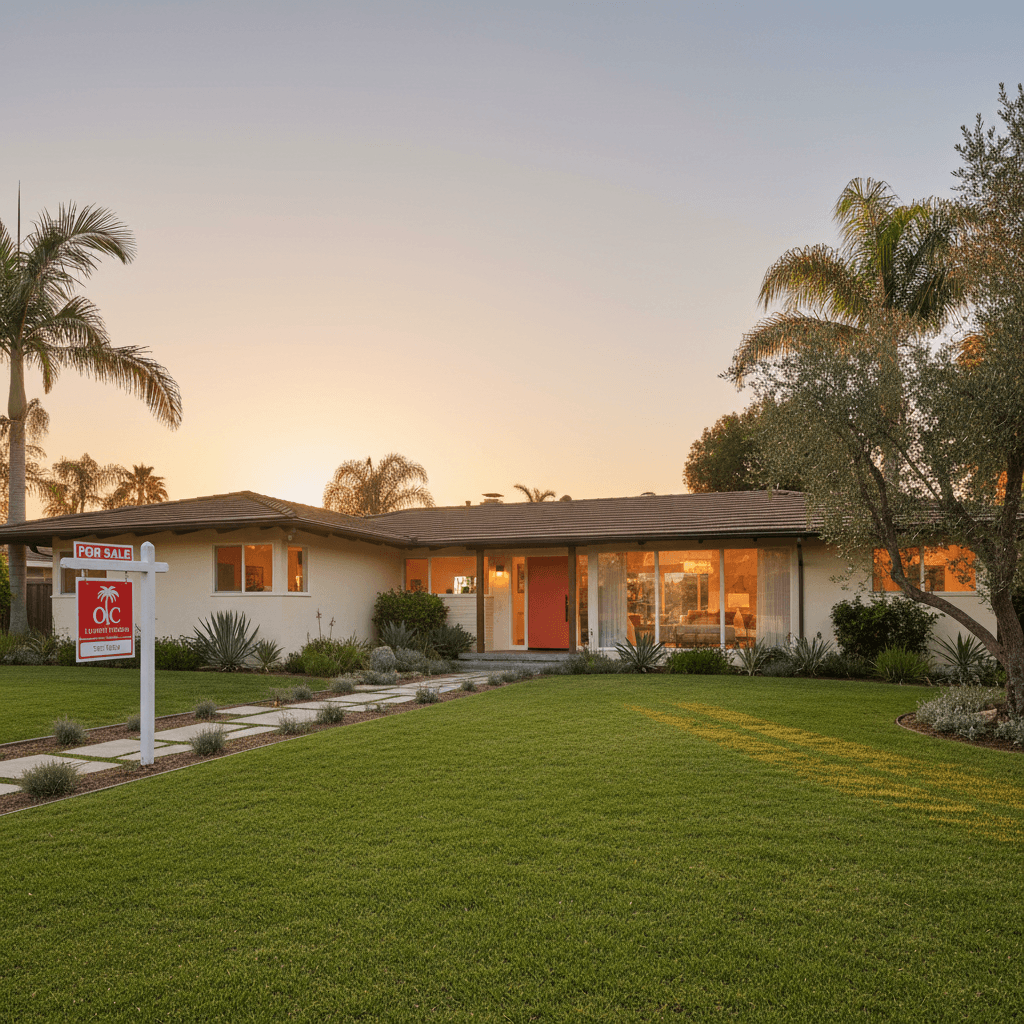
How Code Violations Affect a Sale
In California, you are legally required to disclose any known code violations to potential buyers. Failure to do so can result in lawsuits, fines, and the buyer backing out of the sale after the inspection reveals the problems.
How buyers react to code violations:
- Traditional buyers with financing: Most lenders won't approve a loan for a house with outstanding code violations, especially structural or safety issues.
- FHA/VA buyers: These government-backed loans have even stricter property requirements. A code violation is almost always a dealbreaker.
- Cash buyers / investors: This is your target market. Cash buyers can purchase a property "As-Is" regardless of code violations.
Option 1: Fix the Violations Before Selling

If you have the time and money, correcting code violations before selling can increase your property's value. However, this approach requires patience, capital, and the ability to manage contractors.
Costs of Fixing Common Violations:
- Obtaining permits for existing work: $500 - $5,000
- Electrical corrections: $2,000 - $15,000
- Plumbing corrections: $1,000 - $10,000
- Structural corrections: $5,000 - $50,000+
- City reinspection fees: $200 - $500 per inspection
The Catch: In many California cities, pulling a permit for "unpermitted work" can open a can of worms. The inspector might require you to bring the entire house up to current code, which can trigger expensive upgrades you weren't planning on.
Option 2: Sell "As-Is" to a Cash Buyer
This is the route I recommend for most homeowners facing code violations. When you sell to a cash buyer like my team, we handle all the complications.
Why cash buyers are ideal for code-violation properties:
- No lender requirements: Since we're paying cash, we don't need a bank to approve the property
- No inspection contingencies: We buy the property in its current condition
- Fast closing: We can close in 7-14 days
- No repair demands: We don't ask you to fix anything
If you need to sell your house fast in Santa Ana or anywhere in California, selling "As-Is" for cash is almost always faster and less stressful than trying to resolve violations before a traditional sale.
Option 3: Sell to an "As-Is" Retail Buyer
Some retail buyers (especially first-time homebuyers with cash reserves) might be willing to take on a house with code violations, but they'll want a significant discount.
The problem: Most retail buyers with financing can't buy a house with code violations because their lender won't approve the loan. This drastically reduces your buyer pool.
Understanding City Liens
In some cases, code violations come with financial penalties called "liens." A lien is a legal claim against your property. If you try to sell the house, the city's lien must be paid off at closing.
Types of city liens:
- Code enforcement liens: Fines for uncorrected violations
- Special assessment liens: For city services like sidewalk repairs or street improvements
- Judgment liens: If the city took you to court over the violations
A cash buyer can handle liens by negotiating with the city or wrapping the lien amount into the purchase price.
The Disclosure Nightmare
When you list a house with known code violations on the MLS, you're required to disclose them. This creates a "stigma" on the property. Even if you fix the violations, some buyers will be scared off by the history.
What you must disclose:
- Any known building code violations
- Any unpermitted work
- Any notices from the city
- Any liens related to code violations
The Tarek Take
I've bought hundreds of houses with code violations. Some had illegal garage conversions. Some had unpermitted ADUs. One house in Riverside had a "handyman special" electrical system that was literally shocking to touch.
In almost every case, the homeowner was paralyzed by fear of the violations. They thought the house was "unsellable." They were wrong.
If you're dealing with code violations, your best bet is to sell quickly to a cash buyer who understands the process. You'll get a fair price, and you'll avoid the months of stress and expense that come with trying to fix the violations yourself.
Stop worrying about the red tags. Call us at (866) 407-3411 or visit tarekbuyshouses.com for a no-obligation cash offer. We'll take it from here.
— Tarek
Frequently Asked Questions
What Exactly is a Code Violation?
In the world of real estate, "code" refers to the International Building Code (IBC) and local municipal regulations that ensure a building is safe to inhabit. When a property doesn't meet these standards, the city or county issues a violation.
Common violations I see every day include:
- Unpermitted Work: This is the big one. Adding a bedroom, bathroom, or ADU without a permit.
- Electrical Hazards: Outdated wiring, exposed connections, or DIY electrical work.
- Plumbing Issues: Illegal drain connections, unpermitted water heaters.
- Structural Problems: Unpermitted additions that compromise the building's integrity.
- Zoning Violations: Operating a business in a residential zone, building too close to property lines.