
Seller Guides · · 8 min read
Selling a House During Divorce in Tampa Without Dragging Out the Conflict
 Tarek El Moussa · Host of HGTV's Flip or Flop · 20+ Years in Real Estate
When Everything Feels Broken, the House Doesn't Have to Be

I've been through some of the hardest moments a person can face. Cancer. Financial uncertainty. Moments where I didn't know if I'd make it to the other side. And while I've never been through a divorce, I know what it feels like to have your life turned upside down, to feel like everything you built is suddenly on shaky ground.
Divorce is one of those things that touches every part of your life — including your home. And when you add the stress of deciding what to do with the marital house on top of everything else, it can feel overwhelming. I've seen it tear apart otherwise amicable splits and turn already difficult situations into years of conflict.
Hey, I'm Tarek El Moussa. You might know me from HGTV's "Flip or Flop" and "Flipping 101" — I've spent over 20 years in real estate and closed more than 1,000 transactions. I've helped countless homeowners navigate the sale of their house during divorce, and I've seen what works and what doesn't. My book, "Flip Your Life," is about finding a way forward when everything feels stuck. And that's what I want to help you do here.
The Core Principle: Turn the House Into Numbers
The biggest mistake I see divorcing homeowners make is letting the house become an emotional battlefield. It's understandable — this was your home, your shared space, your life together. But when it comes to selling, the best thing you can do is turn the house into concrete numbers, deadlines, signatures, and a clean closing process.
Emotion is the enemy of a clean real estate transaction. The more you can reduce decisions to math — what's the net proceeds, what's the timeline, what does each option cost — the less room there is for conflict.
"I've seen houses sit on the market for months because two people couldn't agree on a price — not because the price was wrong, but because neither wanted to 'lose.' Don't let pride cost you thousands." — Tarek El Moussa
Who Has the Authority to Sell?
Before you do anything else, you need to know who is on title and who must sign to complete a sale. This depends on:
- How the property was titled when you purchased it
- Whether there are any court orders or temporary restraining orders affecting the property
- What your settlement agreement or divorce decree says about the house
- Whether both spouses need to sign, or just one
In some cases, only one spouse needs to sign. In others, both do. And if there's a court order in place, that can change everything. Don't assume — ask your attorney or the title company to verify before you start making plans.
Pro Tip: Even if only one spouse is required to sign, I always recommend getting both parties to agree in writing before accepting an offer. It saves headaches at the closing table.
Your Main Options: A Clear Decision Framework
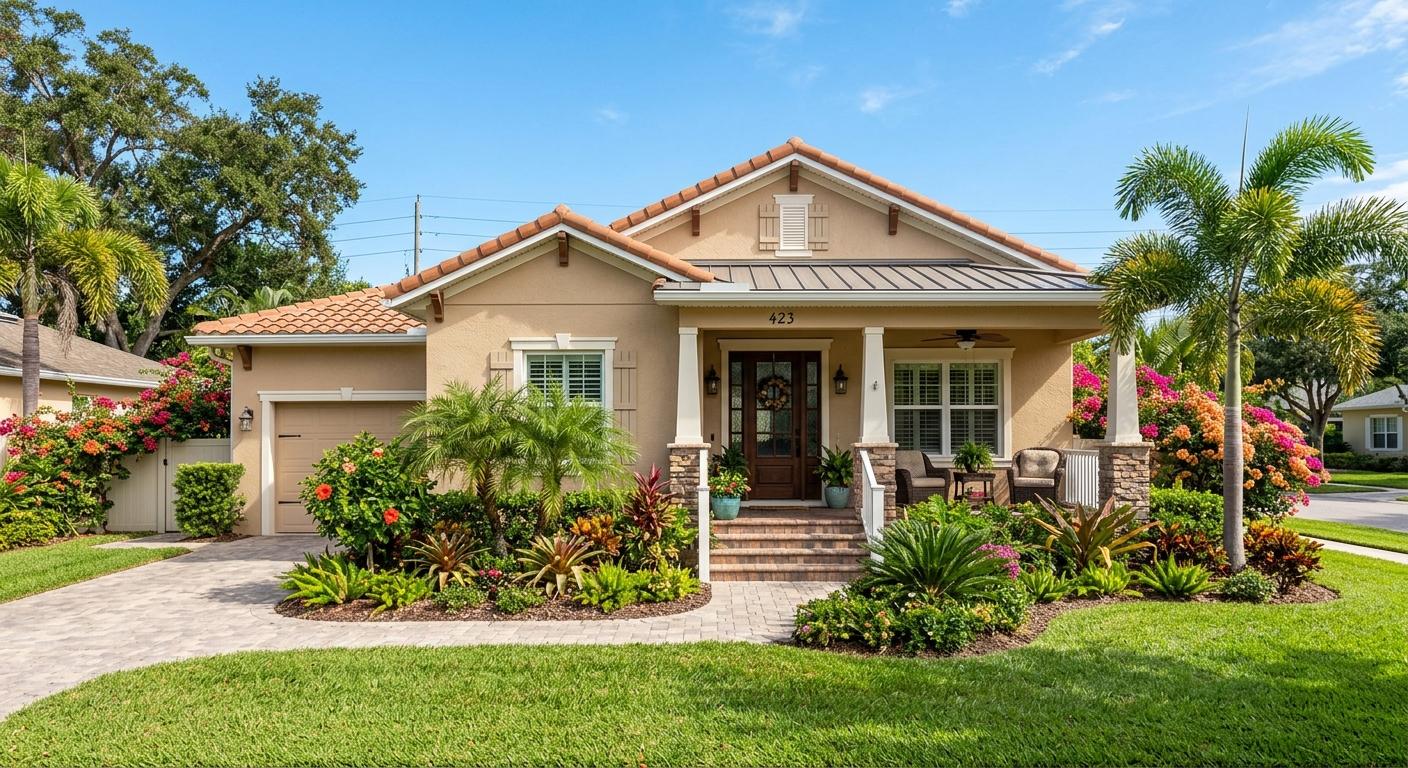
Here's how I break down the options for divorcing homeowners:
| Path | Best When | Main Risk |
|---|---|---|
| One spouse keeps the property | That spouse can afford the mortgage and buy out the other's equity | Ongoing financial strain on the remaining spouse |
| Repair and list | You can agree on repairs and wait for the right buyer | Showings require both parties' cooperation, contractor delays |
| Rent the property | You want ongoing income and can manage it together | Landlord duties, tenant issues, ongoing co-ownership |
| Sell as-is | You want a clean break without repairs or months of showings | Offer may be lower than a fully repaired retail sale |
A good decision compares net proceeds, time, privacy, legal risk, repair exposure, and certainty of closing. The highest offer isn't always the best if the path to closing creates months of conflict, cooperation, and uncertainty.
Why Privacy Matters More in Divorce
One thing that divorcing homeowners rarely consider upfront: a traditional home sale requires open houses, professional photography that puts your home online, repeated showings, and inspection appointments. That means both parties have to coordinate access, keep the house showing-ready, and be okay with their personal space being photographed and published online.
Pro Tip: If you're going through a divorce, ask yourself honestly whether you and your ex can coordinate showings, keep the house clean, and make decisions about repair requests without it turning into a fight. If the answer is no, an as-is private sale might save you months of stress.
An as-is sale to a cash buyer eliminates most of those headaches. No open houses, no public photos, no repairs to agree on, no coordinating showings. The buyer sees the property as-is, makes an offer, and you close on a timeline that works for both of you.
How to Split the Proceeds
This is the part that causes the most conflict — and it's also the easiest to solve if you do it right.
Before you accept any offer, agree in writing on how the proceeds will be divided. The title company can disburse funds according to written instructions, a settlement agreement, or a court order at closing. But they need clear instructions. Don't walk into the closing room hoping to figure it out there.
Common Mistakes I've Seen Divorcing Homeowners Make

1. Letting the house sit while you fight. Every month the house sits empty, it's costing you — mortgage, taxes, insurance, utilities, maintenance. I've seen couples spend more on carrying costs than they eventually netted from the sale.
2. Refusing to sell because you don't want the other person to "win." I get it. Divorce is painful. But the person you're really hurting is yourself. A stalled sale costs both of you money and keeps you tied to each other longer.
3. Not getting the proceeds agreement in writing. Verbal agreements break under stress. Get it in writing before you list the property or accept any offer.
4. Assuming a traditional listing is the only option. Many divorcing homeowners don't realize they can sell as-is for cash, privately, without any repairs or showings. It's worth exploring both paths before committing.
5. Forgetting to coordinate with attorneys and the title company. The last thing you want is to have an accepted offer fall through because the legal paperwork wasn't in order. Make sure your attorney and the title company are looped in from day one.
Practical Checklist
- Confirm who is on title and who must sign
- Get a written agreement on how proceeds will be divided
- Get mortgage payoff information
- Estimate carrying costs for each month the property remains unsold
- Compare a traditional listing plan against an as-is sale plan
- Coordinate with your attorneys and a title company before accepting offers
- Get all timeline, cost, and contingency promises in writing
Conclusion: A Clean Break Means a Fresh Start
I've learned through some of the hardest moments of my life that staying stuck doesn't help anyone. The strongest thing you can do is make a decision, take action, and start moving forward. A house shouldn't keep you tied to the past when you're trying to build a future.
If you're going through a divorce in Tampa Bay and need to resolve what to do with your house, I'd be honored to have Tarek Buys Houses give you a straightforward, no-obligation cash offer. No pressure, no games — just a clear option so you can make the best decision for your next chapter.
Give us a call at (866) 407-3411 or visit tarekbuyshouses.com to get started.
Frequently Asked Questions
Can we sell if only one spouse wants to?
That depends entirely on who is on title, any court orders in place, and the terms of your settlement agreement. Do not assume one person can sign for both until you've verified with a qualified professional.
Why would a private as-is sale help in a divorce?
Privacy matters. A private sale avoids open houses, public photos online, repairs, and repeated showings that require both parties to cooperate. If communication is strained, an as-is sale removes most of the friction points.
How are proceeds divided at closing?
The title company can disburse proceeds according to written instructions, a settlement agreement, or a court order. Make sure your instructions are clear and in writing before closing day.
What if the house needs repairs neither of us wants to pay for?
This comes up all the time. Get both an as-is cash offer and a repaired-market estimate. Having both numbers on paper can make the decision a lot less emotional and a lot more practical.
Can a sale happen while the divorce is still pending?
Yes, in most cases, but it must be coordinated with legal and title requirements. Your attorneys should confirm that the sale complies with any court orders or temporary agreements before you commit to a closing date.